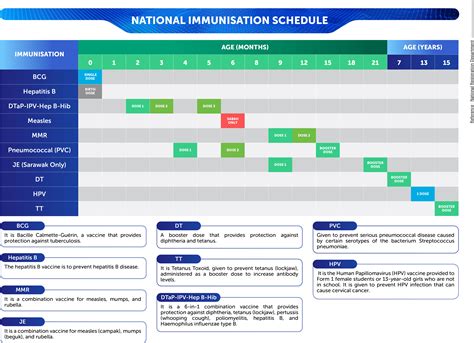
The Evolving Landscape of Pediatric Immunization
Public health guidelines regarding pediatric vaccinations are constantly shifting as new clinical data emerges and disease patterns fluctuate globally. Staying current with these updates is essential for parents, guardians, and healthcare providers who aim to protect children from preventable infectious diseases. By maintaining robust immunization schedules, communities can sustain herd immunity and prevent outbreaks of serious illnesses that have historically impacted school-aged populations.
The integration of new clinical research ensures that every vaccine dose administered is optimized for maximum efficacy and safety. This ongoing process of review involves major health organizations, including the Centers for Disease Control and Prevention, which consistently refine recommendations based on real-world impact studies. Understanding these changes empowers families to make informed decisions about their children's health journey.
Analyzing the 2026 Immunization Schedule Adjustments
Recent updates to the recommended vaccine schedule have focused on streamlining administration and addressing the resurgence of specific viral pathogens. These adjustments are designed to minimize the number of clinic visits required while maximizing the immune response for infants and adolescents alike. The following data highlights the primary shifts in priority for the upcoming year.
| Vaccine Category | Target Age Group | Primary Update Focus | Administration Frequency |
|---|---|---|---|
| Respiratory Syncytial Virus (RSV) | Infants < 8 Months | Enhanced Monoclonal Antibody Access | Single dose pre-season |
| Influenza (Annual) | 6 Months+ | Updated Strain Coverage | Annual seasonal |
| COVID-19 (Updated) | 6 Months+ | Bivalent/Updated Formulation | Annual booster |
| Meningococcal B | 16-18 Years | Standardized Catch-up Series | Two-dose schedule |
| DTaP/Tdap | Adolescents | Tetanus and Pertussis Booster | Every 10 years |
The Mechanism of Modern Pediatric Vaccines
To understand why recommendations change, it is helpful to look at the biological mechanisms that drive vaccine development. Modern formulations have moved beyond traditional weakened-virus models to include advanced platforms that offer more targeted immunity. Parents often ask about the safety of these technologies, and the scientific community emphasizes the rigorous testing phases required before any new pediatric formulation reaches the public.
- Antigen Identification: Scientists isolate specific protein markers from pathogens to trigger the body’s innate immune response without causing disease.
- Platform Delivery: Advanced delivery systems, such as mRNA or viral vectors, are used to instruct cells to produce a harmless piece of the pathogen.
- Immune Memory Formation: The immune system recognizes these proteins as foreign and creates memory B and T cells that persist long after the initial exposure.
- Clinical Trial Validation: Large-scale trials monitor for safety signals across diverse pediatric demographics to ensure consistent protection.
- Continuous Surveillance: Post-market monitoring tracks the long-term effectiveness and potential rare side effects to refine future recommendations.
Addressing Common Concerns Regarding Vaccine Safety
Safety remains the cornerstone of all pediatric health initiatives. It is normal for parents to have questions about potential side effects or the necessity of specific shots. Understanding the difference between minor, expected immune responses—such as low-grade fever or injection site soreness—and rare adverse events is critical for maintaining confidence in public health recommendations.
- Minor reactions are signs that the child’s immune system is actively learning to recognize the pathogen.
- Extensive global databases are used to monitor the safety of every vaccine lot distributed to pediatric clinics.
- Healthcare providers are trained to provide guidance on managing post-vaccination comfort at home.
- Ingredients in vaccines are carefully regulated to ensure they do not exceed safety thresholds for developing immune systems.
- Long-term studies consistently show that vaccination is significantly safer than the risks associated with contracting the actual diseases.
Strategic Timing for Seasonal Immunizations
Timing is a vital factor in pediatric health, particularly regarding seasonal illnesses like influenza and respiratory viruses. Missing the optimal window for vaccination can leave children vulnerable during peak transmission months. For those interested in broader public health trends, our guide on Vaccine Effectiveness Rates and Booster Dose Guidelines provides a detailed look at how timing impacts overall community protection.
Parents should ideally schedule immunizations at least two weeks before the onset of the typical flu season. This allows the body sufficient time to develop the necessary antibodies to fight off potential infections. If a child misses a scheduled dose, most pediatricians recommend a catch-up schedule rather than restarting the entire series, which minimizes disruption to the child's health coverage.
The Role of Pediatricians in Personalized Health Plans
Your pediatrician is the most reliable resource for navigating complex vaccine schedules. They can tailor recommendations based on a child’s medical history, underlying health conditions, and exposure risks. It is essential to discuss any specific concerns during routine check-ups, as these conversations help build a foundation of trust and clarity regarding your child’s health trajectory.
The goal of modern immunization is not just individual protection, but the cultivation of a resilient community where children can thrive without the threat of preventable diseases. By following evidence-based updates, we contribute to a global standard of pediatric health.
Navigating Vaccine Hesitancy with Data-Driven Facts
Vaccine hesitancy often stems from a lack of clear information or the proliferation of misinformation on digital platforms. Addressing these concerns requires a compassionate, evidence-based approach. It is helpful to distinguish between anecdotal claims and peer-reviewed scientific literature when evaluating the risks and benefits of vaccination.
- Consult official sources such as the American Academy of Pediatrics for verified clinical guidance.
- Review peer-reviewed studies published in reputable medical journals to understand the statistical reality of vaccine efficacy.
- Discuss specific fears with a healthcare provider who can explain the data in the context of your child's specific needs.
- Evaluate the source of any health information found online to ensure it is backed by established medical organizations.
- Remember that public health policies are designed to protect the collective population, including the most vulnerable children.
Comparative Analysis: Standard vs. Recommended Boosters
Not all vaccines require the same frequency of administration. Some provide lifelong immunity after a few doses, while others, due to the rapid mutation of viruses, require annual updates. This table clarifies why certain vaccines are prioritized more frequently than others.
| Vaccine Type | Duration of Immunity | Update Cycle | Primary Reasoning |
|---|---|---|---|
| Measles (MMR) | Lifelong | None (Childhood series) | High stability of virus |
| Influenza | Short-term | Annual | Antigenic drift |
| COVID-19 | Moderate | Annual | Viral evolution |
| Polio | Long-term | None (Childhood series) | High vaccine efficacy |
Understanding the Importance of Herd Immunity
Herd immunity is a vital concept in pediatric health that protects children who cannot be vaccinated due to medical conditions, such as severe allergies or compromised immune systems. When a high percentage of the community is immunized, the spread of the disease is effectively halted, providing a protective barrier for those at higher risk. This collective responsibility is a cornerstone of modern public health strategy.
The Impact of Vaccination Rates on School Safety
Schools are common environments for viral transmission. Maintaining high vaccination rates ensures that classrooms remain safe spaces for learning. When coverage drops, the risk of outbreaks increases, which can lead to school closures and disruption of academic progress. Regular monitoring of local vaccination statistics helps health departments anticipate and manage these risks effectively.
Strategies for Improving Local Coverage
- Implementing school-based vaccination clinics for easier access.
- Public awareness campaigns that highlight the benefits of immunization.
- Collaboration between local health departments and primary care providers.
- Simplifying the process for families to track their child’s immunization records.
When to Consult a Specialist
While most pediatric vaccinations can be handled by a primary care physician, some children may require additional consultation. This includes children with history of severe allergic reactions to previous vaccines or those with specific chronic conditions that might affect immune response. Specialists, such as immunologists, can provide specialized testing and advice to ensure that the child remains protected while minimizing any potential risks.
The Future of Pediatric Preventative Medicine
The future of pediatric healthcare is moving toward more personalized medicine, where genetic information may eventually inform the timing and type of vaccines administered. Researchers are also exploring needle-free delivery systems and universal vaccines that could cover multiple strains of a virus with a single dose. These advancements promise to make the immunization process even smoother and more effective for future generations.
Global Health Updates and Your Child
International travel and global connectivity mean that diseases can spread rapidly across borders. Staying updated on international health alerts is part of being a prepared parent. For more information on navigating global health challenges, refer to the WHO Daily Briefing & Headlines, which provides essential context for global health events that might impact regional policy and local recommendations.
Actionable Steps for Parents in 2026
Taking proactive steps toward your child’s health is the best way to ensure their well-being. Start by verifying your child’s current immunization records with your pediatrician. If you are unsure about whether your child is up-to-date, request a comprehensive review during your next visit. Being prepared with questions and keeping a digital copy of records can save time and reduce stress during busy school registration periods.
- Schedule an annual check-up to review the latest pediatric immunization calendar.
- Keep a digital folder of all vaccination records accessible on your mobile device.
- Ask your doctor specifically about new vaccines that may have been added since your last visit.
- Monitor local health department alerts for any outbreaks that might require additional precautions.
- Educate older children about the importance of vaccines to help them feel more comfortable during their appointments.
Conclusion: Sustaining Child Health through Diligence
Consistently updating your knowledge on pediatric vaccine recommendations is a fundamental part of proactive parenting. By engaging with your pediatrician, staying informed through reliable sources, and adhering to the latest clinical guidelines, you provide the best possible defense for your child against preventable illnesses.
As you navigate these updates, remember that each dose serves a purpose in building long-term health and community resilience. Prioritize scheduling your child’s next wellness visit to ensure all records are current and that you have addressed any questions with a medical professional.