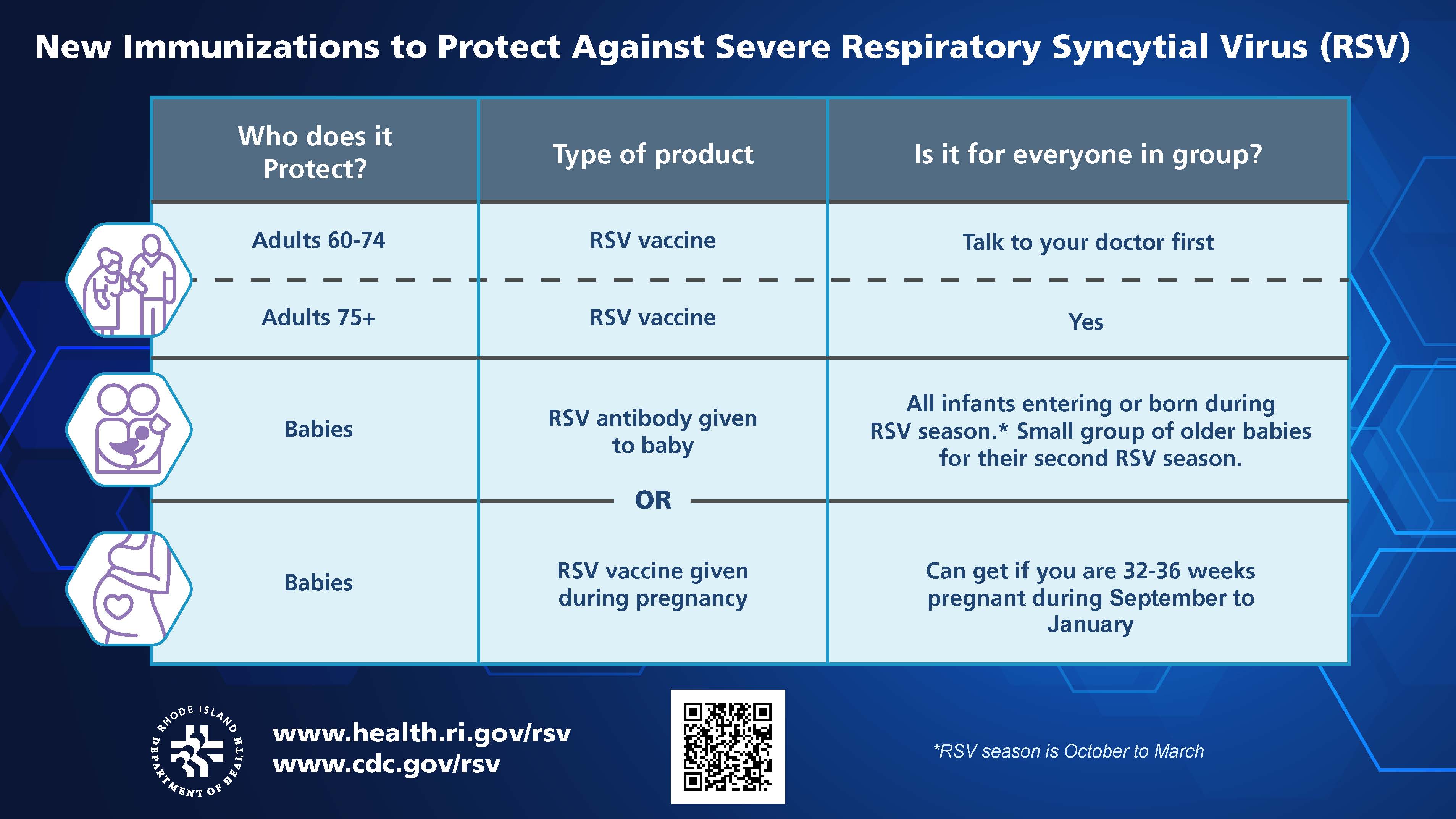
In the wake of rapid viral mutation and shifting global health policies, understanding vaccine effectiveness rates is no longer a static exercise. Public health agencies, clinical networks, and policy makers require dynamic systems to evaluate how well immunizations protect communities over time. Rather than relying on outdated clinical trial endpoints, modern epidemiology tracks real-world vaccine performance in real-time, matching booster distribution with localized immunity decay curves.
This article introduces a comprehensive, data-driven framework designed to monitor vaccine durability, map booster dose guidelines, and execute targeted immunization campaigns. By treating public health immunity as a dynamic system, we can move beyond generalized assumptions and transition into precise, metric-driven public health interventions that save lives and optimize healthcare resource allocation.
Defining the North-Star Metric: Population Immunity Durability Rate (PIDR)
To successfully navigate the complexities of waning immunity and viral evolution, public health systems must rally around a single, highly predictive core metric. We define this north-star metric as the Population Immunity Durability Rate (PIDR). This metric represents the estimated percentage of a target population maintaining active, neutralizing protection against severe clinical outcomes (hospitalization and death) at any given point in time.
Unlike simple vaccine coverage rates, which merely count the number of needles in arms, the PIDR factorizes the time elapsed since the last dose, the specific vaccine platform used, and the emergence of immune-evasive variants. By focusing on PIDR, health authorities can shift their goal from achieving arbitrary vaccination percentages to maintaining a sustained shield of functional protection across vulnerable demographics.
The Public Health Immunity Metric Tree
To accurately compute the Population Immunity Durability Rate, public health officials must track a series of interconnected operational and clinical metrics. Below is the primary metric tree table used by epidemiology dashboards to monitor real-world vaccine effectiveness and guide booster dose deployment.
| Key Performance Indicator (KPI) | Formula / Calculation Method | Optimal Target Range | Departmental Owner |
|---|---|---|---|
| Vaccine Effectiveness (VE) Decay | (1 - (Hazard Ratio of Vaccinated vs Unvaccinated over Time)) x 100 | > 70% against severe outcomes | Epidemiological Surveillance Unit |
| Booster Uptake Velocity (BUV) | (Doses Administered / Eligible Population) per Week | > 5% weekly during active surges | Immunization Operations & Logistics |
| Breakthrough Severity Index (BSI) | (Breakthrough Hospitalizations / Total Breakthrough Cases) x 100 | < 2.5% across all age brackets | Clinical Registry Division |
| Variant Escape Coefficient (VEC) | Ratio of Neutralization Titers (Ancestral Strain vs. Dominant Variant) | < 4-fold reduction in neutralizing activity | Genomic Surveillance & Virology Labs |
Tracking Vaccine Effectiveness Decay in Primary Series
The primary series of any vaccine provides the baseline immunological blueprint for the human body. However, tracking the decay of this protection is critical to determining exactly when booster doses are required. This input metric measures the speed at which neutralizing antibody levels decline, exposing populations to breakthrough infections.
To control and slow down the societal impacts of primary series decay, public health systems must pull specific operational levers and continuously run clinical experiments.
Operational Levers for Efficacy Preservation
- Optimizing the primary dosing interval to allow for more robust germinal center reactions in lymphoid tissues.
- Selecting heterologous vaccine platforms (mixing mRNA and viral vector technologies) to broaden the initial immune response.
- Prioritizing high-dose or adjuvanted formulations for older adults and immunocompromised cohorts.
- Implementing targeted post-vaccination behavioral guidance during periods of high community transmission.
- Deploying localized serological testing to identify rapid decayers within high-risk work environments.
- Aligning initial vaccination schedules with seasonal viral surges to maximize peak antibody protection windows.
Epidemiological Experiments and Validation Methods
- Establish a longitudinal cohort study tracking antibody titers and cellular responses at 30-day intervals post-vaccination.
- Execute case-control studies using test-negative designs across emergency departments to calculate real-time vaccine effectiveness.
- Perform high-throughput neutralization assays against circulating subvariants using donor sera collected at various post-vaccination milestones.
- Compare the durability of mucosal IgA antibodies between systemic intramuscular injections and intranasal delivery systems.
- Analyze electronic health records to detect early warning signals of rising hospitalization rates among specific vaccination cohorts.
- Conduct randomized trials of extended-interval primary series dosing to evaluate long-term memory B-cell generation.
Measuring Booster Dose Coverage and Mobilization Velocity
When primary immunity wanes, booster doses act as critical system updates to restore antibody titers and broaden variant recognition. Monitoring the velocity of booster distribution ensures that vulnerable populations are protected before seasonal waves peak. This metric tracks both absolute coverage and the speed of distribution.
Maximizing booster mobilization requires coordinating healthcare access points with targeted public communication campaigns.
Operational Levers for Rapid Booster Deployment
- Integrating vaccine scheduling systems with electronic pharmacy networks for seamless, one-click booking.
- Deploying mobile vaccination units to historically underserved neighborhoods and rural communities.
- Establishing workplace-based booster clinics in high-density industries such as manufacturing and food processing.
- Using automated SMS reminders and patient portal alerts triggered precisely six months after a patient's primary series completion.
- Providing financial or wellness incentives to frontline healthcare workers to maintain 100% booster compliance.
- Co-administering booster doses with annual influenza immunizations to reduce clinical administration overhead.
Experiments to Accelerate Booster Uptake
- A/B test different SMS notification templates (e.g., loss-aversion messaging versus community-protection messaging) to find the highest conversion rate.
- Pilot 24-hour walk-in booster clinics in urban transit hubs to evaluate the impact of ultra-convenient access.
- Study the impact of peer-to-peer advocate programs in senior community centers to overcome vaccine hesitancy.
- Analyze the efficacy of drive-through booster clinics compared to traditional indoor clinic settings regarding throughput per hour.
- Run localized pilot programs offering home-visit booster administrations for individuals with limited mobility.
- Evaluate the impact of pre-scheduling booster appointments automatically during the primary series administration.
Analyzing Breakthrough Infection Severity Dynamics
Even as antibody levels decline, cellular immunity often prevents mild breakthrough infections from escalating into severe disease. Monitoring breakthrough severity dynamics helps health systems determine if the primary objective of the vaccination campaign—preventing healthcare system collapse—is still being met.
By analyzing clinical outcomes among vaccinated individuals, public health teams can fine-tune booster recommendations and therapeutic allocation.
Levers to Mitigate Breakthrough Severity
- Deploying early outpatient antiviral therapies to individuals who experience breakthrough infections.
- Accelerating genomic sequencing of breakthrough cases to quickly identify potential vaccine-escape variants.
- Standardizing hospital admission criteria to prevent over-allocation of inpatient beds for mild breakthrough cases.
- Equipping high-risk patients with pulse oximeters and digital monitoring tools for home-based care.
- Updating booster formulations to match the genetic profile of circulating variants of concern.
- Implementing rapid-response clinical protocols for early monoclonal antibody administration in breakthrough patients.
Clinical Experiments to Track Severity Patterns
- Correlate viral load decay rates in breakthrough cases with the time elapsed since the last booster dose.
- Measure T-cell activation profiles in hospitalized breakthrough patients to identify correlates of protection against severe disease.
- Compare clinical outcomes of breakthrough infections caused by different viral sublineages under identical vaccine conditions.
- Evaluate the therapeutic efficacy of novel antiviral compounds in vaccinated versus unvaccinated patient cohorts.
- Track the incidence and duration of post-acute sequelae (long-term symptoms) following breakthrough infections based on booster status.
- Conduct histopathological studies of tissue samples from breakthrough cases to understand systemic viral dissemination.
Quantifying Variant-Specific Neutralization Escape Rates
The continuous evolution of viruses introduces mutations that alter the physical structure of target proteins, allowing them to partially bypass vaccine-induced antibodies. Quantifying these variant-specific neutralization escape rates is essential for updating booster formulations and predicting future waves of infection.
This metric serves as an early warning system, indicating when current vaccines are losing their molecular grip on the pathogen.
Levers for Responding to Antigenic Drift
- Maintaining robust serum biobanks containing samples from diverse demographic groups and vaccination histories.
- Standardizing laboratory protocols for pseudovirus neutralization assays to ensure cross-lab data comparability.
- Investing in multivalent and pan-family vaccine platforms that target highly conserved viral regions.
- Accelerating regulatory review pathways for strain-matched booster updates based on immunogenicity data.
- Collaborating with international genomic surveillance networks to identify emerging mutations early.
- Developing computational models to predict future mutational pathways and preemptively synthesize candidate antigens.
Experiments in Variant Characterization
- Run cross-neutralization panels using sera from individuals who received various combinations of primary vaccines and boosters.
- Utilize deep mutational scanning to systematically map every possible single-amino-acid mutation that could escape antibodies.
- Examine the structural biochemistry of antibody-antigen complexes using cryo-electron microscopy to pinpoint binding disruptions.
- Evaluate the neutralization capacity of mucosal secretions collected from boosted individuals against emerging strains.
- Assess the susceptibility of engineered decoy receptors to variant binding in comparison to wild-type target receptors.
- Perform animal challenge studies with emerging variants to assess the in vivo protective capacity of updated booster candidates.
Recommended Dashboard Layouts for Public Health Decision Makers
A public health dashboard must translate complex immunological data into clear, actionable insights for policy makers. The interface should avoid overwhelming users with raw numbers, focusing instead on visual hierarchies that highlight immediate risks and operational bottlenecks.
We recommend a three-tiered dashboard layout. The top tier should display the Population Immunity Durability Rate (PIDR) alongside regional transmission trends. The middle tier should focus on operational metrics, including booster distribution velocity, pharmacy inventory levels, and mobile clinic deployment maps. The bottom tier must display clinical indicators, such as variant prevalence and breakthrough hospitalization rates stratified by age and comorbidity status. By keeping these data layers integrated, decision makers can quickly see if a drop in regional PIDR correlates with an uptick in hospital admissions, allowing them to deploy mobile booster clinics to the affected zones immediately.
Identifying Flawed Indicators and Epidemiological Vanity Metrics
In the rush to monitor public health, organizations often default to tracking metrics that are easy to measure but offer little strategic value. Relying on these vanity metrics can lead to a false sense of security or misdirected resource allocation.
To keep immunization strategies focused on real-world impact, public health agencies should avoid prioritizing the following flawed indicators:
- Total Doses Shipped: Measuring supply chain movement does not equate to actual administration or population-level protection.
- Crude Antibody Titers: Raw IgG levels measured by basic commercial assays do not reflect actual neutralizing capacity against highly mutated variants.
- Unstratified Breakthrough Case Rates: Reporting breakthrough cases without adjusting for age, underlying health conditions, and time since last dose creates unnecessary panic and distorts vaccine performance data.
- Cumulative Vaccination Percentages: This historical metric fails to account for natural immunity waning over time, masking critical drops in active population protection.
- Self-Reported Symptom Duration Surveys: Relying on subjective patient recall introduces massive bias compared to standardized clinical assessments and viral clearance measurements.
Establishing a Weekly Immunity and Booster Review Protocol
To ensure that vaccine policies remain responsive to changing real-world conditions, public health leadership teams should establish a highly disciplined weekly review routine. This protocol guarantees that emerging data is systematically translated into operational adjustments.
- Genomic Surveillance Briefing: Review the latest variant prevalence data and identify any new lineages showing signs of rapid growth or potential immune evasion.
- Immunological Data Analysis: Examine the latest neutralization assay results and clinical trial updates regarding vaccine effectiveness decay rates.
- Hospitalization and Severity Review: Analyze breakthrough infection hospital admissions, focusing on demographic trends, comorbidity profiles, and time elapsed since the last booster dose.
- Supply Chain and Distribution Audit: Assess current booster dose inventories, distribution bottlenecks, and the operational performance of local vaccination sites.
- Community Engagement and Communication Assessment: Evaluate public sentiment, address rising misinformation trends, and update educational messaging guidelines based on behavioral research.
- Action Item Formulation: Issue updated booster recommendations, reallocate vaccine supplies to high-risk zones, and authorize targeted public health campaigns for the upcoming week.
The Role of T-Cell Memory in Long-Term Efficacy Projections
While antibodies represent the first line of defense against viral entry, cellular immunity driven by T-cells is the primary mechanism preventing severe clinical disease. Understanding how T-cell memory responds to vaccines and boosters is vital for long-term health planning.
Cellular vs. Humoral Immunity
Humoral immunity relies on antibodies produced by B-cells to neutralize viruses before they can infect host cells. This defense is highly effective but naturally wanes over time. In contrast, cellular immunity involves helper T-cells (CD4+) and killer T-cells (CD8+), which identify and destroy already infected cells, halting viral replication and preventing severe organ damage. This cellular memory is far more durable and less susceptible to variant-induced mutations than antibody-based defenses.
Measuring T-Cell Activation in Clinical Settings
Evaluating T-cell responses requires advanced laboratory assays, such as Interferon-Gamma Release Assays (IGRAs) and flow cytometry. These tests measure how strongly a patient's T-cells react when exposed to viral proteins. Tracking cellular responses alongside antibody levels provides a complete picture of a patient's immune status, helping public health systems estimate the true durability of vaccine-induced protection across different demographics.
Structuring Booster Guidelines Based on Demographic Vulnerability
A one-size-fits-all approach to booster doses is both clinically inefficient and operationally unsustainable. Modern vaccine guidelines must be tailored to the specific risk profiles of different population segments.
High-Risk Cohorts and Immunocompromised Populations
For older adults, individuals with chronic health conditions, and those with compromised immune systems, booster doses are critical interventions. These groups often generate weaker initial immune responses and experience faster antibody decay. Public health guidelines, supported by resources from the World Health Organization, recommend shorter intervals between primary series completion and booster administrations for these populations, alongside regular access to updated, strain-specific formulations.
Pediatric and Young Adult Booster Recommendations
Structuring booster recommendations for younger, healthier demographics requires balancing infection prevention against potential vaccine-associated risks, such as transient myocarditis. Because young adults generally maintain robust cellular immunity and face a lower baseline risk of severe clinical outcomes, booster schedules for this group may feature extended intervals or targeted deployment during periods of intense viral transmission, focusing primarily on reducing community spread.
Addressing Public Communication Gaps in Efficacy Reporting
One of the greatest challenges in modern immunization campaigns is translating complex scientific metrics into clear, reassuring public messages. When public health agencies fail to communicate data transparently, they leave a vacuum that is quickly filled by confusion and skepticism.
"Public trust is the ultimate currency of health science; when vaccine effectiveness data is communicated without clear context, that currency devalues rapidly, making future interventions exponentially harder to execute."
To bridge this communication gap, health authorities must clearly distinguish between protection against mild infection and protection against severe disease. Public messaging should emphasize that while breakthrough infections are expected as antibody levels naturally decline, vaccines and boosters continue to perform their primary job: keeping people out of hospitals and saving lives. Transparent, empathetic communication builds the community trust required to sustain high booster uptake rates over time.
Integrating Future-Proof Variant Updates into Existing Frameworks
As we look to the future, the cycle of updating vaccine formulations to match emerging variants must become more streamlined and predictable. Rather than treating each new variant as an unexpected crisis, public health systems are establishing adaptive regulatory and manufacturing frameworks similar to those used for the annual influenza vaccine.
This forward-looking approach relies on next-generation vaccine platforms, including mucosal nasal sprays that block transmission at the point of entry, and pan-virus vaccines designed to target highly conserved, unmutable regions of the viral structure. By integrating these innovations into our existing tracking dashboards and clinical protocols, we can build a resilient, future-proof defense system capable of neutralizing viral threats before they escalate into global health emergencies.