Understanding the Lingering Shadow: What is Long COVID Fatigue?
Long COVID, also known as Post-COVID-19 Condition, continues to be a significant public health challenge, with persistent fatigue emerging as one of its most debilitating and frequently reported symptoms. This isn't just ordinary tiredness; it's a profound, often overwhelming exhaustion that doesn't improve with rest and can significantly impair daily functioning. As medical understanding evolves, so too does the advice on how best to manage this complex condition, moving towards more holistic and personalized approaches.
For many individuals, the initial acute phase of COVID-19 resolves, but a new, chronic struggle begins. Fatigue in Long COVID can manifest in various ways, from physical lassitude to cognitive 'brain fog' and extreme post-exertional malaise (PEM), where even minimal physical or mental activity can trigger a severe worsening of symptoms. Recognizing the unique characteristics of this fatigue is the first step towards effective management and recovery.
The Spectrum of Fatigue: Beyond Just Tiredness
Distinguishing Long COVID fatigue from typical exhaustion is crucial for both patients and healthcare providers. While regular fatigue often stems from lack of sleep, overwork, or temporary illness and resolves with rest, Long COVID fatigue is far more insidious and persistent. It's a hallmark symptom that impacts nearly every aspect of life, making even simple tasks feel monumental.
- Profound Exhaustion: This goes beyond feeling tired; it's a deep-seated weariness that no amount of sleep seems to alleviate.
- Post-Exertional Malaise (PEM): A defining feature where physical or mental effort triggers a disproportionate and delayed worsening of symptoms, which can last for days.
- Cognitive Dysfunction (Brain Fog): Difficulty concentrating, memory problems, and slowed thinking often accompany the physical fatigue.
- Unrefreshing Sleep: Despite feeling exhausted, individuals often report sleep that doesn't feel restorative, leading to a vicious cycle.
- Fluctuating Severity: The intensity of fatigue can vary day-to-day or even hour-to-hour, making planning and consistency challenging.
- Associated Symptoms: Often co-occurs with other Long COVID symptoms like pain, shortness of breath, heart palpitations, and neurological issues.
Identifying Key Factors Contributing to Post-COVID Exhaustion
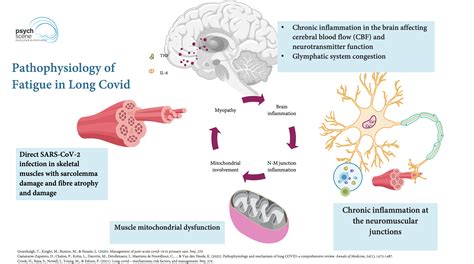
The precise mechanisms behind Long COVID fatigue are still under investigation, but current research points to a multifactorial origin involving various physiological systems. Understanding these potential drivers can help tailor more effective management strategies.
- Persistent Inflammation: Even after the acute infection clears, some individuals may experience ongoing low-grade inflammation throughout the body, contributing to systemic fatigue.
- Immune System Dysregulation: The immune system may remain overactive or dysregulated, leading to an autoimmune-like response or chronic immune activation that drains energy.
- Mitochondrial Dysfunction: Mitochondria, the 'powerhouses' of our cells, may be impaired, leading to reduced energy production and cellular fatigue.
- Vascular and Endothelial Dysfunction: Damage to blood vessels and the lining of these vessels (endothelium) can impair oxygen and nutrient delivery to tissues, contributing to fatigue.
- Autonomic Nervous System (ANS) Dysfunction: The ANS, which controls involuntary bodily functions, can be disrupted, leading to symptoms like orthostatic intolerance (POTS) and chronic fatigue.
- Viral Persistence: In some cases, remnants of the virus or active viral particles may persist in certain tissues, triggering ongoing immune responses and fatigue.
- Metabolic Changes: Alterations in glucose metabolism and nutrient absorption could also play a role in the sustained energy deficit experienced by patients.
Navigating Medical Approaches: A Comparison of Treatment Strategies
Managing Long COVID fatigue often requires a multi-pronged approach, integrating various medical and lifestyle interventions. There isn't a one-size-fits-all solution, and strategies are often tailored to the individual's specific symptoms and underlying issues. Here’s a comparison of common medical approaches:
| Strategy | Primary Focus | Key Interventions | Potential Benefits | Considerations |
|---|---|---|---|---|
| Symptomatic Relief | Targeting specific debilitating symptoms (e.g., pain, sleep issues, brain fog). | Medications for pain, sleep aids, cognitive rehabilitation, specific therapies. | Improved quality of life, reduced discomfort, better daily function. | Does not address underlying causes; risk of polypharmacy. |
| Energy Conservation & Pacing | Preventing post-exertional malaise (PEM) and managing energy envelopes. | Activity logging, structured rest periods, adaptive strategies, heart rate monitoring. | Reduced PEM severity, improved energy stability, prevention of crashes. | Requires significant self-discipline; can feel restrictive initially. |
| Rehabilitation Programs | Restoring physical function, strength, and cognitive abilities. | Physical therapy, occupational therapy, speech therapy, cognitive therapy. | Enhanced mobility, improved stamina, better cognitive function, structured support. | Must be carefully tailored to avoid PEM; requires qualified therapists experienced in Long COVID. |
| Immune Modulation & Anti-inflammatories | Addressing persistent inflammation or immune dysregulation. | Low-dose naltrexone (LDN), specific anti-inflammatory diets, certain supplements, corticosteroids (rarely). | Reduced systemic inflammation, potential improvement in immune balance. | Often experimental; requires careful medical supervision; varying efficacy. |
| Autonomic Nervous System (ANS) Support | Stabilizing heart rate, blood pressure, and other involuntary functions. | Medications for POTS, vagus nerve stimulation exercises, hydration, compression garments. | Reduced dizziness, improved blood pressure regulation, better overall stability. | Diagnosis of ANS dysfunction (e.g., POTS) is crucial; requires specialist input. |
Energy Conservation vs. Graded Activity: Which Path is Right for You?
Two distinct but often misunderstood approaches to activity management frequently arise in discussions about Long COVID fatigue: energy conservation (pacing) and graded activity. While both aim to help patients manage their energy, their methodologies and suitability differ significantly, especially for those experiencing post-exertional malaise (PEM).
Advantages of Energy Conservation and Pacing
Energy conservation, or 'pacing,' is widely recommended for individuals with Long COVID fatigue, particularly those who experience PEM. It involves carefully managing one's energy levels to avoid overexertion and subsequent crashes. The core principle is to stay within your 'energy envelope' and proactively plan rest periods, even when feeling relatively well. This strategy prioritizes stability and preventing symptom flare-ups.
- Prevents Post-Exertional Malaise (PEM): By staying within energy limits, individuals can significantly reduce the frequency and severity of PEM crashes.
- Stabilizes Energy Levels: Helps maintain a more consistent baseline of energy, avoiding the boom-and-bust cycle.
- Reduces Symptom Fluctuation: Leads to greater predictability in daily life and fewer unexpected symptom exacerbations.
- Empowers Self-Management: Provides tools and strategies for individuals to take control of their daily activities and well-being.
- Promotes Long-Term Recovery: By preventing overexertion, it allows the body to conserve resources for healing and recovery over time.
Benefits of Graded Activity (with caveats)
Graded Activity Therapy (GET) involves gradually increasing physical activity levels over time. While it's a standard approach for some chronic fatigue conditions, it has been a contentious and often harmful intervention for patients with Long COVID, particularly those with PEM. For a select few without PEM or with very mild, non-exertional fatigue, a carefully modified and highly personalized form of graded activity might be considered under strict medical supervision. However, for the vast majority with Long COVID, especially those with PEM, GET is contraindicated and can worsen their condition.
- Potential for Increased Stamina (select cases): In individuals without PEM, a very slow and carefully monitored increase in activity might, in theory, improve endurance.
- Structured Progression: Offers a clear framework for increasing activity, which can be appealing.
- Combats Deconditioning (carefully): Can help prevent muscle atrophy and loss of fitness that occurs with prolonged inactivity, if managed without triggering PEM.
It is paramount that any approach involving increased activity for Long COVID patients be supervised by healthcare professionals experienced in the condition and specifically trained to identify and manage PEM. For most, pacing remains the cornerstone.
The Role of Lifestyle Adjustments in Fatigue Management
Beyond direct medical interventions, fundamental lifestyle adjustments play a pivotal role in managing Long COVID fatigue. These changes are often within an individual's control and can significantly support overall well-being and energy regulation.
- Prioritize Sleep Hygiene: Establish a consistent sleep schedule, create a dark and quiet sleep environment, and avoid screens before bed. Quality sleep is foundational, even if it doesn't fully resolve fatigue.
- Nutrient-Rich Diet: Focus on a balanced diet rich in whole foods, fruits, vegetables, lean proteins, and healthy fats. Some individuals find benefit from anti-inflammatory diets or identifying food sensitivities. Hydration is also key.
- Mindful Stress Reduction: Chronic stress can exacerbate fatigue. Incorporate stress-reducing practices like meditation, deep breathing exercises, gentle yoga, or spending time in nature.
- Gentle Movement (within limits): While intense exercise is often detrimental, gentle movement like short, slow walks (if tolerated without PEM), stretching, or chair exercises can prevent deconditioning and improve circulation.
- Avoid Alcohol and Caffeine: These substances can disrupt sleep patterns and energy regulation, leading to a rebound effect that worsens fatigue.
- Structured Rest Periods: Integrate planned rest breaks throughout the day, even if you don't feel tired. These can be short periods of lying down, mindfulness, or quiet activities.
Pharmaceutical Interventions and Supplements: A Prudent Approach
While there's no single 'miracle drug' for Long COVID fatigue, certain pharmaceutical interventions and supplements may be considered to manage specific symptoms or support physiological processes, always under the guidance of a healthcare professional. Self-medication or indiscriminate use of supplements can be risky.
Medications and Their Targeted Use
Medications are typically prescribed to address co-occurring symptoms that exacerbate fatigue or to target specific underlying mechanisms identified by a physician.
- Low-Dose Naltrexone (LDN): Some studies suggest LDN may help modulate the immune system and reduce inflammation, potentially improving fatigue and pain in certain Long COVID patients.
- Medications for Orthostatic Intolerance (POTS): Beta-blockers, fludrocortisone, or midodrine may be prescribed to manage symptoms like dizziness, rapid heart rate, and fatigue associated with autonomic dysfunction.
- Sleep Aids: For severe insomnia, short-term use of sleep medications might be considered, but behavioral therapies for insomnia are generally preferred.
- Antihistamines: For individuals with mast cell activation syndrome (MCAS) or histamine intolerance suspected to contribute to their symptoms, H1 and H2 blockers may offer relief.
- Antidepressants/Anxiolytics: If anxiety or depression significantly contribute to or are exacerbated by fatigue, these medications may be part of a broader treatment plan.
Regarding supplements, while many are marketed for energy, evidence for their efficacy in Long COVID fatigue is limited. Always discuss any supplements with your doctor due to potential interactions or adverse effects. Some individuals report benefits from CoQ10, B vitamins, or magnesium, but scientific consensus is still developing.
Rehabilitation Programs: Tailored Support for Recovery
Specialized rehabilitation programs are becoming increasingly vital for individuals navigating the complexities of Long COVID, offering structured support to rebuild strength, function, and cognitive abilities. These programs must be carefully designed to avoid exacerbating symptoms, particularly post-exertional malaise (PEM).
- Post-COVID Rehabilitation Clinics: Many hospitals and healthcare systems are establishing dedicated clinics that offer multidisciplinary care, including physical, occupational, and cognitive therapy.
- Physical Therapy (PT): Focused on gentle, low-impact exercises tailored to individual tolerance, emphasizing flexibility, balance, and very gradual strength building without pushing into PEM.
- Occupational Therapy (OT): Helps individuals adapt daily tasks, learn energy conservation techniques, modify their environment, and regain independence in activities of daily living.
- Speech and Language Therapy: Addresses cognitive issues like 'brain fog,' memory problems, and difficulties with concentration through targeted exercises and strategies.
- Pulmonary Rehabilitation: For those with persistent respiratory symptoms, this therapy focuses on breathing techniques, lung capacity improvement, and managing shortness of breath.
- Cardiac Rehabilitation: For patients with cardiac involvement, supervised programs help improve cardiovascular fitness and manage heart-related symptoms safely.
- Nutritional Counseling: Guidance on anti-inflammatory diets and addressing potential nutrient deficiencies that could impact energy levels.
Mental Health and Emotional Well-being: Crucial Pillars of Recovery
Living with chronic fatigue and the unpredictable nature of Long COVID can take a significant toll on mental and emotional health. Addressing these aspects is not merely about coping with the illness but is an integral part of the recovery process itself. The psychological burden can often exacerbate physical symptoms, creating a challenging feedback loop.
“The journey through Long COVID is as much a mental marathon as it is a physical one. Acknowledging and actively managing your emotional well-being is not a sign of weakness, but a critical act of self-care and resilience.”
Many individuals experience heightened anxiety, depression, frustration, and grief over their lost health and former capabilities. Support from mental health professionals, such as therapists or counselors, can provide coping strategies, validate experiences, and help navigate the emotional landscape of chronic illness. Techniques like cognitive-behavioral therapy (CBT) or acceptance and commitment therapy (ACT) can be particularly beneficial in managing the psychological impact and improving overall quality of life.
When to Seek Specialized Care: Recognizing Red Flags
While many aspects of Long COVID fatigue can be managed with primary care support and lifestyle adjustments, there are clear instances when specialized medical evaluation becomes essential. Recognizing these 'red flags' ensures timely access to more targeted diagnostics and interventions, potentially preventing further decline or addressing complex underlying issues.
- Worsening or New Severe Symptoms: Any sudden, significant increase in fatigue, chest pain, severe shortness of breath, neurological changes (e.g., numbness, weakness), or fainting spells warrant immediate medical attention.
- Unmanageable Post-Exertional Malaise (PEM): If PEM is severe, frequent, or significantly impacting your ability to perform basic self-care, a specialist in ME/CFS or Long COVID is crucial.
- Significant Functional Decline: If you're experiencing a progressive loss of ability to work, attend school, or perform activities of daily living, a comprehensive specialist evaluation is needed.
- Suspected Organ Damage: Persistent symptoms suggesting damage to the heart, lungs, kidneys, or brain require specialized diagnostic tests and management.
- Lack of Improvement: If your symptoms are not improving despite consistent efforts with primary care management and lifestyle changes over several months, a specialist can offer alternative perspectives or advanced treatments.
- Complex Co-morbidities: If you have pre-existing conditions that are being exacerbated by Long COVID, or new complex conditions developing, a specialist can help coordinate care.
- Diagnostic Uncertainty: If the cause of your symptoms remains unclear after initial investigations, a specialist can help with more advanced diagnostic workups.
Building a Collaborative Care Team: Your Support Network
Effectively managing Long COVID fatigue often requires more than just one doctor; it demands a collaborative care team. This multidisciplinary approach ensures that various facets of the condition—physical, mental, and emotional—are addressed comprehensively. Building this team is an active process that empowers you as the central coordinator of your health journey.
- Primary Care Physician (PCP): Your PCP is often the first point of contact and plays a crucial role in coordinating care, referring to specialists, and managing general health.
- Long COVID Specialist/Clinic: If available, a dedicated Long COVID clinic or a physician with expertise in post-viral syndromes is invaluable for comprehensive assessment and tailored treatment plans.
- Rehabilitation Therapists: This includes physical therapists (PT), occupational therapists (OT), and potentially speech therapists, all experienced in post-viral fatigue and PEM.
- Mental Health Professionals: Psychologists, psychiatrists, or counselors can provide essential support for anxiety, depression, trauma, and coping strategies.
- Cardiologist/Pulmonologist/Neurologist: Specialists for specific organ systems if there's evidence of cardiac, pulmonary, or neurological involvement.
- Registered Dietitian/Nutritionist: Can provide personalized dietary advice, especially if nutritional deficiencies or food sensitivities are suspected to contribute to symptoms.
- Support Groups: While not medical professionals, peer support groups (online or in-person) offer emotional understanding, shared experiences, and practical tips from others facing similar challenges.
Regular communication among team members is vital to ensure a cohesive and effective treatment strategy. You are the advocate for your health, so actively participate in discussions and ensure your needs and concerns are heard.
Emerging Research and Future Directions in Long COVID Fatigue
The scientific community is rapidly expanding its understanding of Long COVID, with a significant focus on unraveling the mysteries of persistent fatigue. This dynamic field is continually producing new insights, diagnostic tools, and potential therapeutic avenues, offering hope for more effective treatments in the future.
Current research explores several promising areas, including the role of microclots in blood vessels, persistent viral reservoirs, and specific immune signatures that might predict or explain Long COVID. Clinical trials are investigating a range of interventions, from antiviral drugs and immunomodulators to novel rehabilitation techniques and dietary supplements. As our knowledge deepens, the hope is that targeted therapies will emerge, moving beyond symptomatic management to address the root causes of this debilitating condition. For the latest updates on symptoms and variants, you might find information on sites like Coronatodays.com's COVID Updates, which often covers broader COVID-related news.
Practical Steps for Daily Fatigue Management
Living with Long COVID fatigue requires a proactive and adaptive approach to daily life. Implementing practical strategies can help you conserve energy, minimize symptom flare-ups, and maintain a semblance of control over your well-being. These steps are designed to be integrated into your routine, providing a framework for sustainable management.
- Monitor Your Energy: Keep a simple journal or use an app to track your energy levels, activities, and symptoms. This helps identify patterns and your personal 'energy envelope.'
- Plan Your Day: Prioritize essential tasks and spread them out throughout the day or week. Avoid scheduling too many demanding activities on consecutive days.
- Incorporate Scheduled Breaks: Don't wait until you're exhausted to rest. Plan short, restorative breaks (15-30 minutes) every few hours, even if it's just lying down quietly.
- Delegate and Ask for Help: Don't hesitate to ask family, friends, or colleagues for assistance with tasks that drain your energy. Learning to delegate is a crucial skill.
- Use Assistive Devices: Consider using mobility aids, ergonomic tools, or smart home devices to reduce physical exertion for everyday activities.
- Break Down Tasks: Divide larger tasks into smaller, more manageable steps. Complete one step, rest, and then move to the next, rather than trying to do everything at once.
- Practice Mindful Movement: If tolerated, integrate very gentle, low-impact movements like stretching or short, slow walks into your routine, always mindful of your PEM threshold.
- Stay Hydrated and Nourished: Consistent intake of water and regular, small, nutrient-dense meals can help stabilize blood sugar and energy.
Understanding Potential Risks and Missteps in Self-Management
While self-management is a vital component of living with Long COVID fatigue, certain approaches can be detrimental and inadvertently worsen your condition. Awareness of these potential pitfalls is crucial for a safe and effective recovery journey. The desire to 'push through' or quickly regain pre-illness activity levels can be counterproductive and lead to significant setbacks.
- Ignoring Post-Exertional Malaise (PEM): Pushing beyond your energy limits, especially after a crash, is the most common and damaging mistake. It can prolong recovery and worsen symptoms.
- Over-Reliance on Quick Fixes: Expecting a single supplement, diet, or medication to be a cure-all can lead to frustration and neglecting proven management strategies.
- Undertaking Unsupervised Graded Exercise: Without expert guidance tailored to your specific condition and PEM risk, increasing activity can trigger severe relapses.
- Social Isolation: Withdrawing from social connections due to fatigue or fear of judgment can negatively impact mental health and overall well-being. Seek support.
- Poor Sleep Hygiene: Neglecting consistent sleep patterns and a conducive sleep environment can exacerbate fatigue and hinder recovery.
- Ignoring Mental Health: Dismissing feelings of anxiety, depression, or frustration can prevent holistic healing. Mental health support is as important as physical care.
- Lack of Communication with Healthcare Providers: Failing to openly discuss your symptoms, challenges, and any self-management strategies with your medical team can lead to uncoordinated or ineffective care.