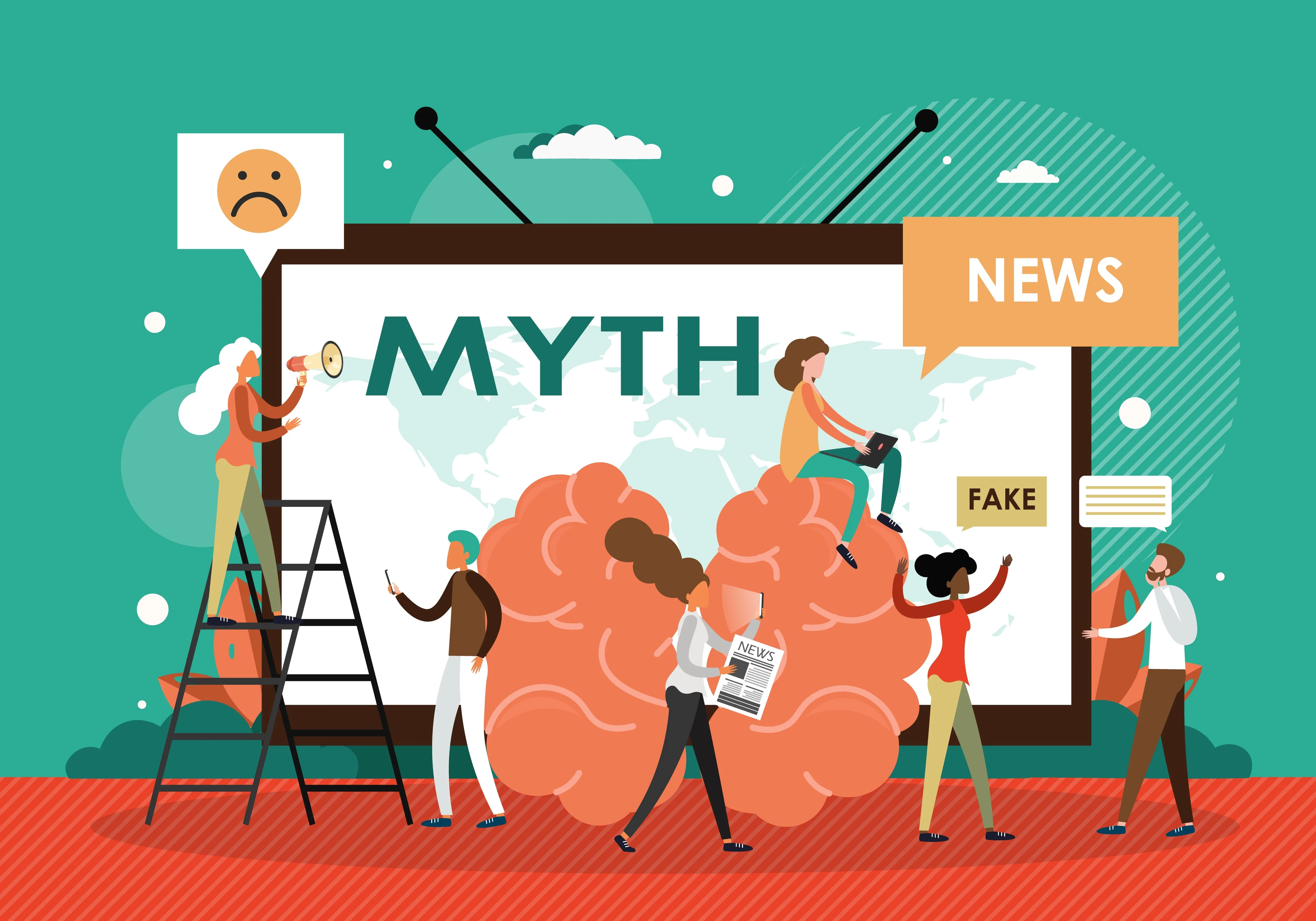
The Anatomy of Medical Misinformation
In an era where information travels instantly, the ability to distinguish between credible public health messaging and medical misinformation has become a critical life skill. Misinformation often arrives disguised as breaking news, expert opinion, or breakthrough research, making it difficult for the average reader to discern fact from fiction. Understanding how these narratives are constructed is the first step toward protecting yourself and your community from health-related falsehoods.
Medical misinformation typically relies on emotional triggers, such as fear, anger, or a false sense of urgency, to bypass critical thinking. By leveraging social media algorithms that prioritize engagement over accuracy, purveyors of false health claims can reach millions before public health officials have the chance to provide context. Distinguishing truth requires a shift in how we consume content, moving away from passive scrolling toward active verification.
The Framework of Credible Health Communication
Credible public health information is built on a foundation of peer-reviewed research and transparent data reporting. When institutions share health guidance, they typically follow rigorous protocols to ensure that the information is accurate, timely, and actionable for the general public. To identify trustworthy sources, you should look for the following characteristics:
- The information is published by recognized institutions such as the WHO, CDC, or national health ministries.
- The source provides links to primary data sets or peer-reviewed studies published in reputable medical journals.
- The messaging includes clear context, acknowledging both the benefits and potential limitations of specific health interventions.
- The content avoids alarmist language and does not promise "miracle cures" or universal solutions to complex medical issues.
- Authors or spokespeople have verifiable credentials in the relevant field of study.
- Updates are provided as new data emerges, showing a commitment to accuracy over consistency.
Comparing Credible Sources vs. Misinformation Tactics
It is helpful to compare the standard operating procedures of legitimate health organizations against the common tactics found in misinformation campaigns. Use this table as a quick reference guide when you encounter health claims that seem too good to be true.
| Feature | Credible Health Messaging | Medical Misinformation |
|---|---|---|
| Source Origin | Peer-reviewed institutions | Anonymous or obscure blogs |
| Emotional Tone | Neutral and objective | Fear-based or sensational |
| Evidence Base | Large-scale clinical trials | Anecdotal testimonials |
| Scope of Advice | Contextual and nuanced | Universal or "miracle" fixes |
| Correction Policy | Transparent updates | Denial or doubling down |
The Role of Confirmation Bias in Health Decisions
Confirmation bias is the psychological tendency to favor information that confirms our existing beliefs. When it comes to health, this bias can be dangerous, as it leads us to ignore scientific consensus in favor of claims that align with our personal fears or political ideologies. Recognizing that your own brain is wired to accept "comfortable" lies is a vital part of media literacy.
To combat this, actively seek out information that contradicts your current viewpoint. If you find yourself nodding along to a health-related post without questioning the source, pause and ask yourself if you are reacting to the data or merely the narrative. True critical thinking in the medical space involves constantly challenging your own assumptions.
How to Verify Medical Claims Step-by-Step
When you encounter a health claim that sounds significant, follow this verification process to determine its validity before sharing it with others:
- Identify the original source of the claim; if the post only links to other social media, it is likely untrustworthy.
- Search for the claim on Google using neutral keywords to see if major news outlets or medical journals have covered the topic.
- Check the date of the information; old news is often recycled to create a false sense of current urgency.
- Look for consensus among experts; if only one person is making a bold claim while the global scientific community remains silent, be skeptical.
- Consult fact-checking databases that specialize in debunking viral health myths.
- Evaluate the credentials of the person presenting the information to ensure they are a subject matter expert.
The Danger of Anecdotal Evidence
Anecdotal evidence is a cornerstone of medical misinformation. While a personal story about a "miracle recovery" or a "hidden side effect" may sound compelling, it does not constitute scientific evidence. Science relies on large-scale data and rigorous testing to determine outcomes, not individual experiences which are often influenced by the placebo effect or coincidence.
"The plural of anecdote is not data. While individual stories provide human context, they cannot replace the systematic, peer-reviewed analysis required to understand population-level health trends and medical efficacy."
Understanding Algorithmic Amplification
Social media platforms are designed to maximize time spent on the app, which often means promoting content that generates high levels of engagement. Unfortunately, sensationalist misinformation often performs better than sober, factual reporting. Understanding that your feed is curated for engagement rather than truth is essential to maintaining a healthy digital media diet.
Because the algorithm feeds you more of what you interact with, clicking on or sharing misinformation creates a feedback loop. If you want to see higher-quality information, you must actively follow reputable experts and block accounts that consistently spread unverified health rumors.
Common Red Flags in Health Content
Watch for these warning signs
Not all misinformation is created equal, but many false claims share specific characteristics that should trigger your skepticism. Being aware of these red flags can help you filter out noise quickly.
- Claims that a specific group is "hiding the truth" about a disease or treatment.
- The use of pseudo-scientific jargon that sounds impressive but lacks clear definition.
- Calls to action that urge you to buy specific supplements or products immediately.
- Vague references to "recent studies" without naming the journal or the research team.
- Disparagement of established medical practices without providing a viable, scientifically proven alternative.
The Importance of Context in Data Reporting
Data is often taken out of context to support a narrative that wasn't intended by the original researchers. For instance, a small study showing a correlation between two variables is often misreported as proving causation. When you see statistics, always check if they are being used to support a conclusion that goes beyond the data's actual capabilities.
For more insights on how data is tracked and reported during health crises, you might find the Global Health Statistics Today and Outbreak Tracker to be a useful resource for understanding how real-world trends are measured.
Navigating Health Information During Crises
During a public health emergency, the landscape of information moves faster than ever. This speed often leads to gaps where misinformation can thrive. It is vital to recognize that public health guidance is iterative—it changes as we learn more. This is not a sign of failure or deception, but rather a sign of the scientific process in action.
Staying informed involves following official channels rather than relying on influencers or unverified social media personalities. For those navigating the complexities of public policy during these times, our guide on Mask Mandates and Public Health Policies provides context on how decisions are made at the institutional level.
How to Discuss Misinformation with Family and Friends
Engaging with loved ones who share misinformation can be frustrating. The goal should be to encourage critical thinking rather than to "win" an argument. Use these approaches to keep the conversation productive:
- Ask open-ended questions about where they found the information, which encourages them to evaluate the source themselves.
- Use the "truth sandwich" technique: state the facts, mention the misinformation, and then reiterate the facts.
- Avoid shaming or mocking, as this often causes people to double down on their false beliefs.
- Share links from neutral, non-political sources that explain the science in plain language.
- Focus on shared values, such as wanting to keep family members safe and healthy.
The Role of Scientific Literacy in Modern Society
Scientific literacy is not about knowing every medical fact, but about understanding how to evaluate evidence. It is the ability to interpret graphs, understand the difference between correlation and causation, and recognize the value of peer review. Improving your scientific literacy makes you more resilient to manipulation.
You can improve your own literacy by reading summaries from organizations like the National Institutes of Health or similar government-backed scientific bodies. The more you understand about the process of discovery, the less likely you are to be fooled by claims that bypass that process entirely.
Recognizing the "Hidden Agenda" Behind Misinformation
Often, medical misinformation is not just about spreading falsehoods; it is about selling something. Whether it is a dietary supplement, a "secret" health course, or political influence, there is usually a motive behind the content. When you see a health claim, look for the commercial or political interest behind it.
If a post is trying to sell you a product as the only solution to a chronic issue, be highly skeptical. Legitimate medical advice is rarely sold through high-pressure social media advertisements. Always consult with a licensed healthcare provider before making changes to your health regimen, especially if you are managing long-term conditions or chronic stress. For those dealing with specific health challenges, resources like the advice on managing persistent long COVID fatigue can provide a template for how to find trustworthy support.
The Future of Truth in Digital Spaces
As AI-generated content becomes more prevalent, the challenge of spotting misinformation will increase. Deepfakes and AI-written articles can mimic the tone of experts perfectly, making the need for source verification more important than ever. We are moving toward a future where we must verify not just the text, but the images and data visualizations we encounter.
The responsibility for filtering this content rests on both the platforms and the users. By remaining vigilant, checking your sources, and prioritizing peer-reviewed evidence, you can navigate the digital landscape safely. Always remember that when it comes to your health, the truth is worth the extra few minutes of research.