Understanding the Shift in Modern Immunity and Breakthrough Cases
Navigating the landscape of modern respiratory viruses requires a clear understanding of breakthrough infections and how human immune systems interact with circulating variants. Even fully vaccinated individuals can occasionally test positive as new strains mutate and adapt. Recognizing that immunity is not an absolute shield but rather a sliding scale of protection helps shape realistic expectations for daily life, travel, and social gatherings.
Public health agencies worldwide continuously monitor how well current medical countermeasures hold up against mutating strains. While initial protection is remarkably strong against severe illness and hospitalization, viral evolution means minor loopholes can occasionally let through mild or asymptomatic cases. Staying informed about these shifts empowers you to make balanced, risk-adjusted decisions for yourself and vulnerable family members.
- Vaccination remains the single most effective tool for preventing severe disease, even when minor viral breakthroughs occur.
- Immune system memory declines gradually over time, making periodic booster updates essential for high-risk populations.
- New variants often feature specific spike protein mutations that evade neutralizing antibodies more efficiently than older strains.
- Asymptomatic breakthrough cases can still transmit the virus, highlighting the importance of testing when exposed.
- Tracking latest COVID symptoms and new variant updates 2026 helps individuals identify infections early.
Layer 1 Essentials: Core Biological Mechanisms of Viral Evasion
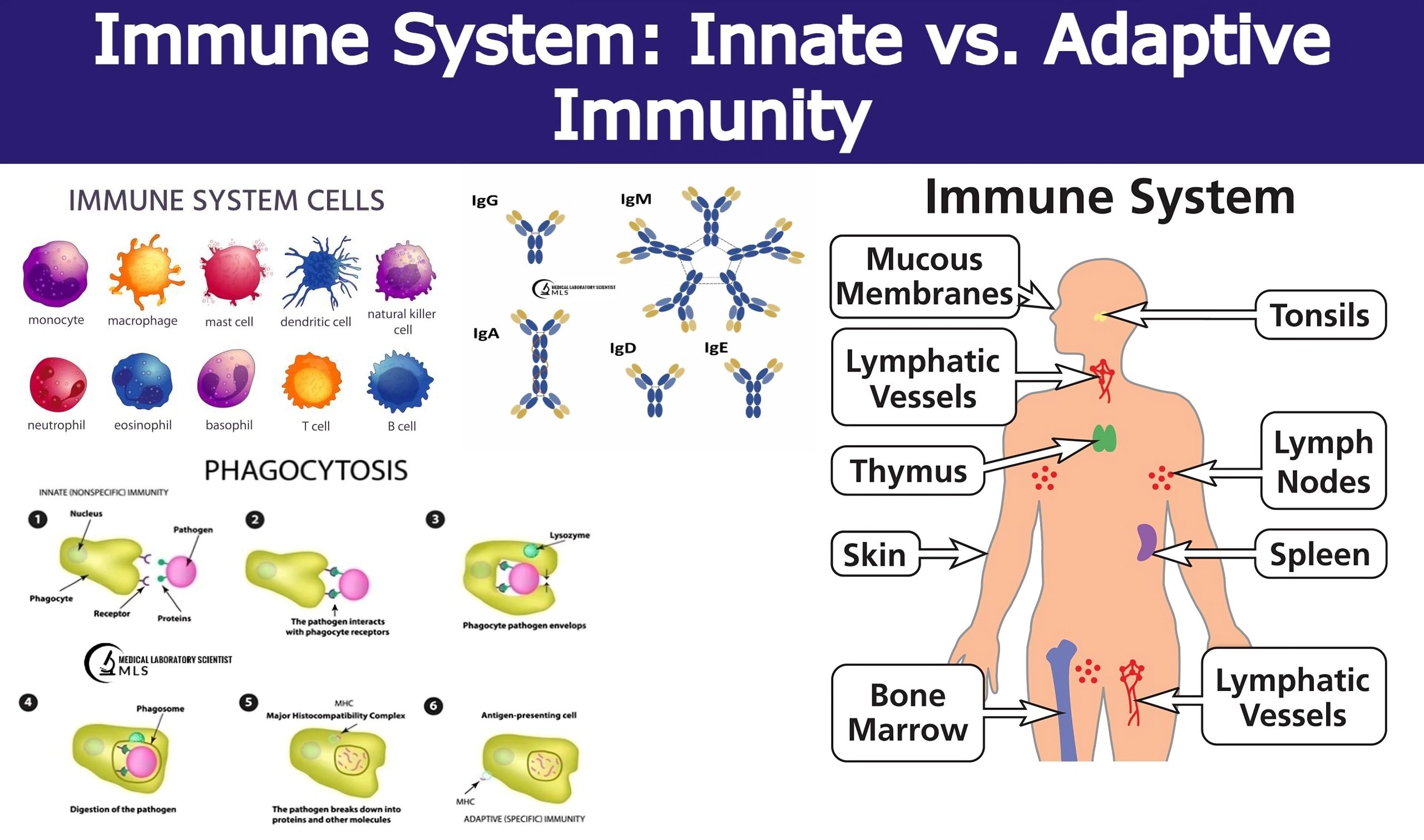
At the foundational level, viral evasion occurs when genetic drift alters the surface proteins of a pathogen just enough to slip past existing immune recognition markers. When B-cells and T-cells were trained by an earlier vaccine or prior infection, they might not instantly recognize the newly evolved variant. This slight delay allows the virus to replicate briefly before the immune system mounts a vigorous defense.
- Antigenic drift creates incremental changes in viral proteins that challenge existing antibody repertoires.
- Mucosal immunity in the upper respiratory tract often wanes faster than systemic immunity in the bloodstream.
- Viral load dynamics dictate how infectious a person is during the initial days of a breakthrough event.
- Cellular immunity, particularly T-cell response, usually remains robust and prevents deep lung infection.
- Cross-reactivity between different viral sub-lineages varies depending on how recently an individual was exposed.
Layer 2 Operators: Step-by-Step Response Protocol for Positive Results
When a breakthrough infection occurs, knowing the exact operational sequence to follow prevents panic and limits community spread. Following a structured containment and health-monitoring protocol ensures a safe recovery.
- Isolate immediately upon receiving a positive test result or experiencing noticeable respiratory symptoms.
- Notify close contacts with whom you shared unmasked indoor spaces during the previous forty-eight hours.
- Monitor blood oxygen levels using a reliable pulse oximeter, especially if you have underlying health conditions.
- Hydrate continuously and manage fever with appropriate over-the-counter medications recommended by your clinician.
- Consult a healthcare professional regarding eligibility for antiviral treatments within the first five days of symptom onset.
- Retest using a high-quality rapid antigen test before ending isolation, following current public health isolation guidelines.
- Clean and disinfect high-touch surfaces in your living space to minimize household transmission risks.
Key Operational Milestones During Recovery
Managing recovery requires patience and adherence to timeline milestones. Most mild breakthrough cases resolve within seven to ten days, but fatigue can linger.
- Day one to three typically feature acute symptoms like sore throat, fatigue, and nasal congestion.
- Day four to six mark the stabilization phase where fever generally subsides and energy levels slowly begin to return.
- Day seven onward involves clearing remaining congestion and determining safe reentry into public activities.
Layer 3 Experts: Advanced Edge Cases and Vulnerable Population Management
For immunocompromised individuals and older adults, breakthrough infections demand a higher level of clinical vigilance. Medical specialists often recommend specialized monoclonal antibodies or prompt antiviral interventions to safeguard high-risk patients from severe complications.
- Immunocompromised patients may experience prolonged viral shedding and require extended isolation periods.
- Secondary bacterial infections can occasionally develop following a primary viral breakthrough event.
- Cardiovascular and neurological markers should be monitored in patients with long-haul symptom trajectories.
- Pediatric populations present unique symptom profiles that require age-appropriate clinical assessment tools.
- Global tracking data available through resources like global health statistics today and outbreak tracker provide valuable epidemiological context.
How to Climb Immunological Layers Through Strategic Boosting
Building long-term resilience requires a methodical approach to updating your immunological defenses over time. Strategic planning ensures your body remains prepared for circulating strains.
- Review your personal vaccination history and identify the date of your last booster dose or confirmed infection.
- Consult public health advisories to determine when updated bivalent or strain-specific vaccines become available in your region.
- Schedule your updated vaccination appointment during a window when you are healthy and not acutely fighting off other illnesses.
- Incorporate healthy lifestyle pillars such as restorative sleep, balanced nutrition, and regular exercise to support baseline immune function.
- Maintain an emergency health kit at home containing rapid tests, masks, and thermometers for rapid response readiness.
Symptoms That Indicate You Are Stuck on a Suboptimal Recovery Layer
Sometimes recovery stalls, and symptoms fail to improve after the standard window. Recognizing these warning signs ensures you seek timely medical intervention instead of waiting for natural resolution.
Persistent high fevers lasting beyond five days, severe shortness of breath, confusion, and chest pain are red flags that require immediate emergency evaluation. Never ignore declining oxygen saturation levels or an inability to keep fluids down. Medical experts at organizations such as the World Health Organization stress that early intervention prevents minor complications from escalating into critical hospitalizations.
- Shortness of breath during light daily activities indicates potential pulmonary involvement requiring clinical assessment.
- Recrudescent fevers—where a fever returns after a day or two of normal temperature—often signal secondary bacterial infections.
- Chest tightness or sharp pain must be evaluated promptly to rule out cardiac or severe respiratory complications.
- Profound neurological fog or disorientation warrants professional medical review.
Comparative Analysis of Pre-Omicron Versus Modern Breakthrough Infections
The nature of breakthrough infections has transformed dramatically since the early years of the pandemic. The table below outlines key differences between early historical strains and current circulating variants.
| Metric | Early Strain Breakthroughs | Modern Variant Breakthroughs |
|---|---|---|
| Primary Location | Deep lung / systemic tissue | Upper respiratory tract |
| Common Symptoms | Loss of taste, severe cough | Sore throat, congestion, fatigue |
| Transmission Rate | Moderate | Extremely high |
| Hospitalization Risk | Higher among vaccinated elderly | Significantly reduced overall |
| Recovery Duration | 10 to 21 days | 5 to 10 days |
Evaluating Transmission Risks in Crowded Indoor Environments
Understanding how breakthrough infections spread helps individuals calculate risk when attending indoor gatherings, utilizing public transit, or working in shared office spaces. Because vaccinated individuals can carry transient viral loads, indoor air quality and filtration play a monumental role in community protection.
Investing in portable HEPA air purifiers and ensuring adequate ventilation in residential and commercial buildings dramatically reduces viral particle concentration. Combining good indoor air quality with high-filtration masks creates a powerful multi-layered defense strategy that protects everyone in the room, regardless of their individual vaccination status.
- High-efficiency particulate air filtration systems capture microscopic viral aerosols effectively.
- Cross-ventilation by opening windows for just ten minutes per hour refreshes indoor air volume.
- Well-fitted N95 or KN95 respirators offer superior protection compared to loose cloth or surgical masks.
- CO2 monitors serve as a reliable proxy for indoor air stagnation and ventilation quality.
Deciphering Rapid Antigen Test Reliability During Breakthrough Events
Rapid antigen tests remain a cornerstone of home diagnostics, but interpreting their results requires an understanding of viral kinetics and testing windows. A negative rapid test early in the course of symptoms does not always rule out a breakthrough infection.
Viral load in the upper respiratory tract may take several days to reach detectable thresholds on commercial lateral flow devices. Consequently, serial testing—taking a test every 48 hours over a span of several days—is often recommended by diagnostic experts for individuals who have known exposures or persistent symptoms.
- Swabbing both the throat and the nasal passages can sometimes improve the sensitivity of home antigen tests.
- Expired or improperly stored test kits yield false negatives due to degraded chemical reagents.
- A faint positive line on an antigen test is still a positive result and mandates immediate isolation.
- Laboratory PCR tests remain the gold standard for high-sensitivity detection when rapid tests are inconclusive.
Understanding Long-Term Impacts and Post-Infection Conditions
While most people recover fully from breakthrough infections within a week or two, a subset of individuals experience prolonged symptoms known as long COVID. Research into these chronic post-viral conditions continues to evolve as scientists analyze why certain immune systems struggle to regain equilibrium.
Post-viral fatigue, autonomic dysfunction, and cognitive difficulties can impact daily productivity and overall quality of life. Medical researchers emphasize that staying up to date with recommended vaccinations is currently the most effective way to reduce the probability of developing long-term complications following a breakthrough event.
"Immune resilience is not built on perfection, but on preparation. Understanding how our bodies respond to breakthroughs allows us to live fully while respecting underlying health risks."
Practical Guidance for High-Risk Households and Caregivers
Living with or caring for high-risk individuals requires heightened precautions when breakthrough infections circulate in the community. Caregivers must balance compassionate care with stringent infection control measures to protect vulnerable loved ones.
Establishing clear protocols within the home—such as designating a quarantine zone, utilizing dedicated bathrooms, and wearing high-filtration masks when entering shared spaces—protects vulnerable family members from accidental transmission. Transparent communication with healthcare providers ensures that high-risk household members can access preventative treatments quickly if an exposure occurs.
- Designate a separate isolation bedroom and bathroom for any household member who tests positive.
- Sanitize shared household surfaces twice daily using EPA-registered disinfectant products.
- Ensure all caregivers wear well-fitted N95 respirators while tending to an infected individual.
- Monitor indoor humidity levels, as balanced humidity supports respiratory mucosal health.
Navigating Workplace Policies and Return-to-Work Guidelines
Navigating professional responsibilities while managing a breakthrough infection involves understanding current employer policies, labor standards, and public health isolation recommendations. Striking the right balance protects colleagues while maintaining financial stability.
Many organizations have adopted flexible remote-work policies for employees who feel well enough to contribute from home during isolation. Clear communication with human resources and adherence to evidence-based testing protocols ensure a smooth and safe return to the physical workplace.
- Review company-specific sick leave policies and remote work accommodations before symptoms arise.
- Comply strictly with local health department mandates regarding isolation timelines and testing requirements.
- Communicate transparently with team members about your availability and expected return date.
- Prioritize complete physical recovery before resuming high-stress or physically demanding job duties.
The Future of Global Surveillance and Variant Forecasting
Global health surveillance networks play an indispensable role in forecasting upcoming variant waves and preparing healthcare systems for potential spikes in breakthrough infections. Genomic sequencing of wastewater and clinical samples allows scientists to detect emerging mutations weeks before they cause widespread clinical disruption.
International collaboration among virologists ensures that vaccine formulations can be updated rapidly to match circulating strains. As biotechnology advances, universal coronavirus vaccines and broad-spectrum antivirals are actively being developed to provide more durable, variant-proof protection for populations worldwide.
- Wastewater surveillance tracks viral shedding trends across municipal sewage treatment plants.
- Genomic sequencing laboratories identify emerging spike protein mutations in real time.
- Global health databases aggregate infection rates to inform international travel advisories.
- Pharmaceutical research accelerates the development of next-generation universal therapeutics.