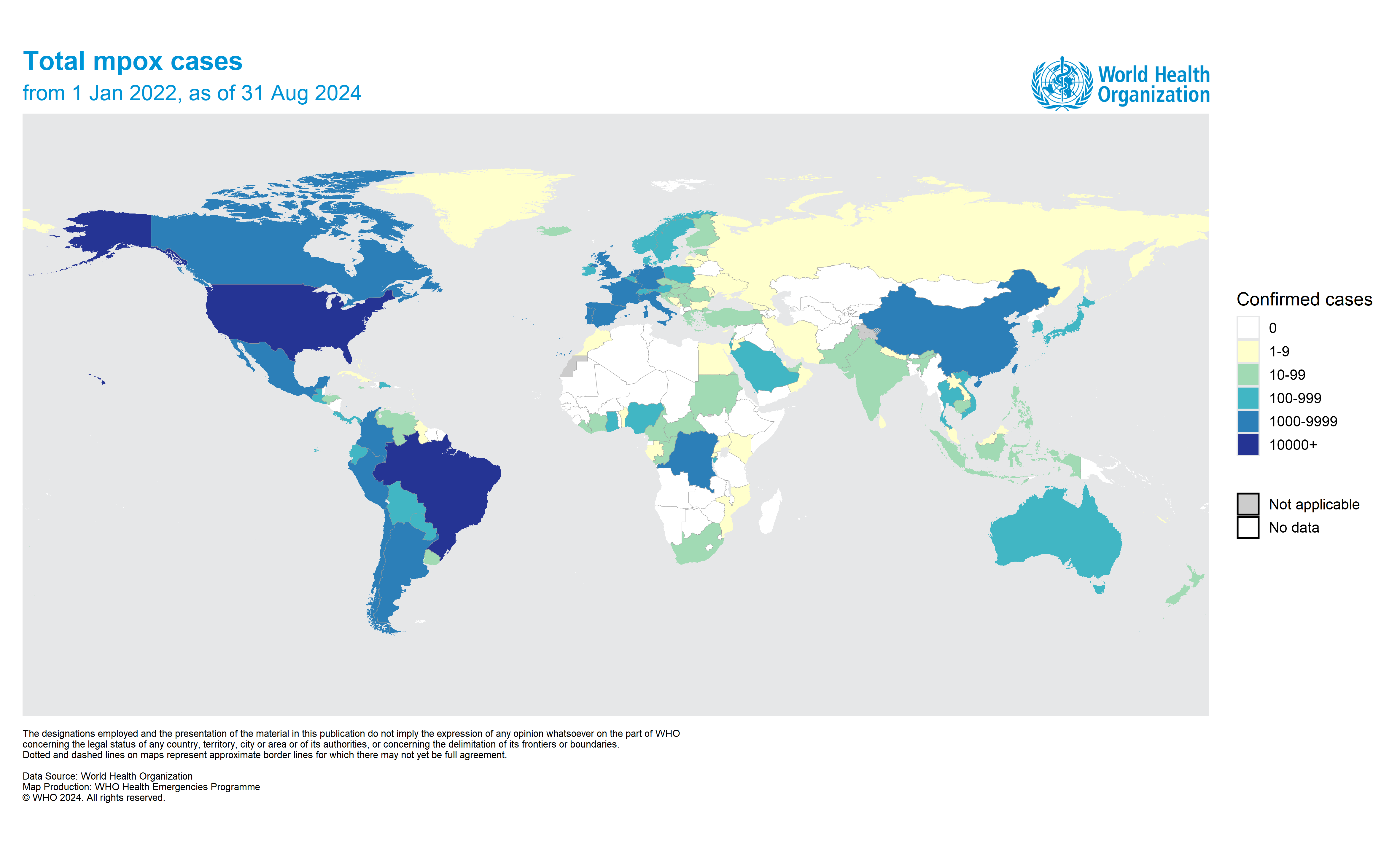
Understanding the Landscape of Modern Global Health Statistics
Navigating global health statistics today requires a comprehensive look at how international agencies collect, verify, and publish epidemiological data. Public health organizations constantly monitor infectious diseases, chronic conditions, and environmental risk factors to maintain global stability.
Accurate metrics allow governments to allocate resources efficiently, deploy emergency medical teams, and implement preventive policies before localized health issues escalate into widespread humanitarian crises.
- Data collection relies on standardized reporting from hospitals, local clinics, and national surveillance networks.
- International bodies like the World Health Organization aggregate these numbers to spot transnational anomalies.
- Advanced predictive modeling helps epidemiologists forecast potential pathogen surges weeks in advance.
- Public accessibility to health dashboards ensures that researchers and everyday citizens remain informed about local and international safety thresholds.
- Transparent statistical frameworks reduce misinformation during rapidly evolving medical emergencies.
The Role of Real-Time Outbreak Trackers in Public Safety
Real-time outbreak trackers have revolutionized how the global community responds to emerging infectious threats. By visualizing geographic spread and transmission rates instantly, these digital dashboards empower decision-makers to act swiftly.
- Aggregate raw incidence reports from municipal health departments across multiple continents.
- Process incoming data streams through automated anomaly-detection algorithms.
- Map confirmed infection clusters onto interactive global coordinates for immediate visual assessment.
- Disseminate early warning bulletins to frontline healthcare providers and travel advisory boards.
- Update recovery and mortality curves continuously to reflect changing clinical outcomes.
- Archive historical timeline logs for retrospective epidemiological research and pandemic preparedness audits.
Key Features of Modern Surveillance Dashboards
- Dynamic heat maps displaying regional infection densities in real time.
- Automated alert systems triggered by sudden spikes in emergency room admissions.
- Genomic sequencing integration variants tracking to monitor pathogen mutation patterns.
- Customizable filtering options for specific pathogens, age groups, and vaccination statuses.
Chronic Diseases Versus Infectious Outbreaks: A Comparative Overview
While acute outbreaks capture immediate headlines, chronic non-communicable diseases remain the leading drivers of mortality worldwide. Public health agencies must balance emergency response measures with long-term preventative care initiatives.
| Health Metric Category | Infectious Outbreaks | Chronic Diseases |
|---|---|---|
| Onset Speed | Rapid, acute, and often unpredictable | Slow, progressive, and cumulative over decades |
| Primary Driver | Pathogens, viruses, bacteria, and zoonotic spillover | Lifestyle, genetics, environmental exposure, and aging |
| Intervention Style | Quarantine, vaccination, antiviral deployment, and lockdowns | Dietary reform, regular screening, medication management, and exercise |
| Global Economic Impact | Immediate market shocks and localized supply chain disruptions | Sustained healthcare expenditure and long-term workforce productivity loss |
Zoonotic Spillover and Animal-to-Human Disease Transmission
The vast majority of emerging infectious diseases originate in animal populations before crossing over into human hosts. Understanding the mechanics of zoonotic spillover is essential for preventing future pandemics at the source.
"Monitoring animal reservoirs and human-animal interfaces is the single most effective proactive defense against novel pathogen emergence."
Ecological disruption, deforestation, and intensive agricultural practices frequently bring wildlife into closer contact with human settlements, multiplying the pathways for cross-species viral and bacterial transmission.
- Deforestation forces displaced wildlife into agricultural zones, increasing direct contact with livestock and humans.
- Live animal markets provide high-density environments where diverse viral strains can easily mix and mutate.
- Climate shifts alter vector habitats, expanding the geographic range of mosquitoes, ticks, and other disease carriers.
- Veterinary surveillance programs act as the first line of defense by identifying novel pathogens in domestic and wild animals.
- Global trade regulations on exotic animal movement help limit the international dissemination of high-risk pathogens.
How Epidemiologists Measure Disease Severity and Spread
Evaluating the true impact of a health event involves complex mathematical modeling that goes far beyond simply counting reported positive cases.
- Calculate the basic reproduction number (R0) to determine how many secondary infections stem from a single primary case in a completely susceptible population.
- Assess the case fatality rate by dividing total deaths by confirmed diagnoses over a specified timeframe.
- Measure hospitalization rates to gauge the immediate burden placed on local healthcare infrastructure.
- Conduct seroprevalence surveys to estimate the true percentage of a population that has developed antibodies.
- Analyze excess mortality metrics to capture unreported deaths during severe health crises.
- Evaluate asymptomatic transmission ratios to understand silent community spread dynamics. Vaccination Coverage Rates and Herd Immunity Thresholds
- Herd immunity creates a biological firebreak, shielding immunocompromised individuals from exposure.
- Global immunization registries help governments identify undervaccinated pockets before outbreaks ignite.
- Supply chain resilience ensures that fragile cold-chain logistics maintain vaccine potency during rural distribution.
- Public health campaigns combat vaccine hesitancy through transparent, evidence-based communication strategies.
- Continuous booster efficacy monitoring adapts inoculation schedules to emerging viral variants.
- Upgrade rural clinics with dependable electricity and reliable internet connectivity for real-time reporting.
- Train community health workers to recognize early symptom clusters and administer rapid diagnostic tests.
- Establish centralized reference laboratories capable of advanced genomic sequencing and pathogen identification.
- Secure emergency stockpiles of personal protective equipment, therapeutics, and essential medical supplies.
- Foster international partnerships for rapid financial and logistical deployment during acute health emergencies.
- Improve sanitation and clean water access to drastically reduce baseline waterborne disease transmission.
- Leveraging mobile health technologies for remote patient monitoring and decentralized data entry.
- Implementing pooled testing strategies to maximize scarce laboratory reagent supplies during surges.
- Utilizing drone delivery networks for transporting blood samples and vaccines to remote geographic areas.
- Tourism and hospitality sectors suffer immediate revenue collapses during international travel restrictions.
- Healthcare systems incur staggering costs for emergency surge staffing, equipment procurement, and treatment.
- Long-term morbidity, including chronic fatigue syndromes, reduces national workforce productivity for years.
- Governments must redirect capital away from education and infrastructure toward emergency response funds.
- Global trade friction increases as nations enact restrictive export controls on medical goods and food.
- Download participatory surveillance applications that prompt users for daily symptom self-assessments.
- Utilize Bluetooth-enabled exposure notification protocols to trace close contacts anonymously.
- Analyze aggregated search engine query trends for early indicators of rising localized illness symptoms.
- Deploy wearable biometric devices to detect resting heart rate anomalies associated with incubating infections.
- Integrate electronic health records with national notification databases for instantaneous case reporting.
- Empower artificial intelligence algorithms to scan social media chatter for unverified disease rumor clusters.
- Rising sea levels and severe flooding contaminate freshwater sources, triggering outbreaks of cholera and dysentery.
- Wildfire smoke inhalation worsens chronic respiratory and cardiovascular conditions across entire continents.
- Agricultural shifts driven by droughts alter nutritional security, exacerbating malnutrition and immune vulnerability.
- Permafrost thawing risks releasing ancient dormant bacteria and viruses into contemporary hydrological systems.
- Urban heat islands increase heat-related mortality rates among elderly and economically disadvantaged populations.
- Integrate psychological support services directly into primary care clinics and community health centers.
- Expand telehealth mental health platforms to reach isolated rural and underserved urban populations.
- Launch public awareness campaigns to destigmatize help-seeking behavior for emotional distress.
- Train educators and workplace managers to identify early signs of psychological crisis among peers.
- Increase research funding into long-term neurological and psychiatric sequelae of viral infections.
- Restrict unnecessary antibiotic use in both human medicine and industrial livestock production.
- Invest heavily in pharmaceutical research and development for entirely novel classes of antibiotics.
- Improve rapid diagnostic testing so doctors can distinguish between viral and bacterial infections instantly.
- Promote rigorous hospital infection control protocols to stop the spread of drug-resistant superbugs.
- Educate the general public on completing full prescription courses rather than hoarding leftover drugs.
- Monitor wastewater treatment facility outflow to track community-level resistance gene prevalence.
- Establishing global surveillance networks specifically dedicated to tracking resistance markers.
- Enforcing stricter international regulations on agricultural antibiotic growth promoters.
- Fostering public-private partnerships to incentivize drug discovery for neglected pathogens.
- Establishing legally binding international pandemic treaties to ensure equitable resource sharing.
- Funding decentralized manufacturing hubs for vaccines and therapeutics in developing regions.
- Standardizing health data exchange protocols to eliminate bureaucratic communication delays.
- Emphasizing a One Health approach that links human, animal, and environmental monitoring systems.
- Prioritizing community trust and transparent public communication as core pillars of defense.
Immunization programs represent the most cost-effective medical intervention in human history. Maintaining high vaccination coverage is critical for protecting vulnerable populations who cannot receive vaccines due to medical exemptions.
Healthcare Infrastructure Vulnerabilities in Developing Regions
Disparities in medical infrastructure severely hinder effective disease surveillance and outbreak response in low-income nations. Strengthening these foundational systems is a core objective of international health organizations.
Without robust laboratory testing capacity, skilled healthcare personnel, and reliable supply chains, localized outbreaks can spread unchecked for weeks before official detection occurs.
Overcoming Resource Bottlenecks
The Economic Burden of Global Epidemics and Pandemics
Large-scale health crises inflict massive tolls not only on human life but also on international commerce, tourism, and labor productivity. Economic modeling helps governments justify preventive health investments.
When an outbreak disrupts supply chains, financial markets react with volatility, forcing central banks to adjust monetary policies to cushion businesses and workers from sudden income loss.
Digital Health Tools and Mobile Surveillance Innovations
The proliferation of smartphones and wearable sensors has ushered in an era of participatory digital epidemiology, transforming ordinary citizens into active data contributors.
Environmental Factors Influencing Global Disease Patterns
Climate change, extreme weather events, and habitat degradation exert a profound influence on the spread and intensity of both infectious and non-infectious diseases globally.
As average global temperatures rise, disease-carrying vectors expand their territories into previously temperate zones, exposing billions of new people to pathogens like dengue, malaria, and Zika.
Mental Health Metrics in Post-Pandemic Global Society
Physical survival is only one dimension of global health; the psychological toll of prolonged crises has placed mental healthcare at the forefront of international medical priorities.
Anxiety disorders, clinical depression, and burnout rates have surged across all demographic groups, revealing severe shortages in available mental health professionals and counseling facilities.
Antimicrobial Resistance: The Silent Global Health Crisis
Antimicrobial resistance represents one of the most critical long-term threats to modern medicine, potentially rendering common bacterial infections untreatable if left unaddressed.
Strategies to Combat Superbugs
Future Outlook for Global Surveillance and Outbreak Readiness
As the international community learns hard lessons from past health emergencies, investments in predictive intelligence and collaborative diplomacy are steadily improving worldwide readiness.
By uniting data scientists, virologists, policymakers, and local healthcare providers under unified global frameworks, humanity stands better equipped than ever to confront upcoming health challenges.