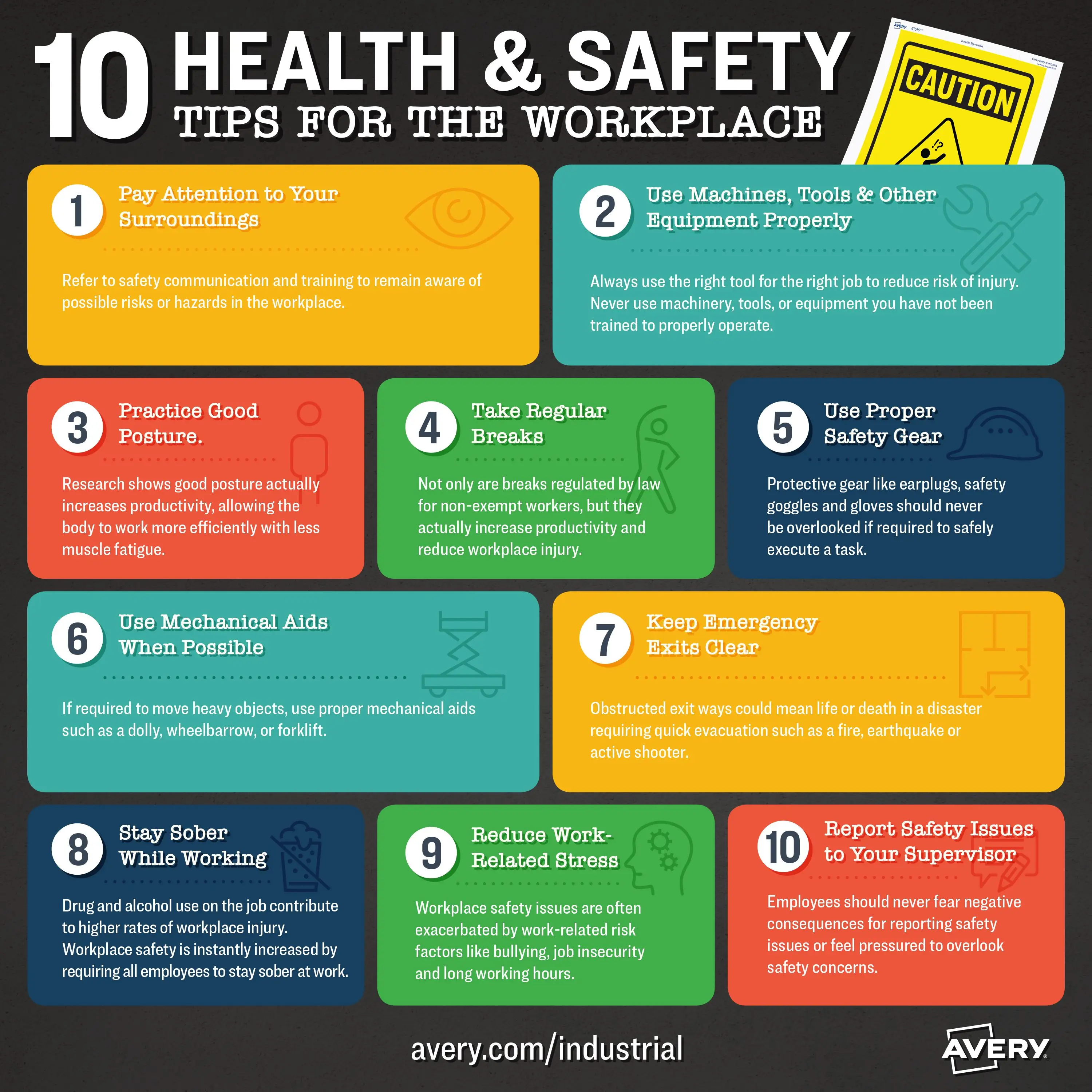
As organizations worldwide re-evaluate their operational footprints, updated workplace safety guidelines for returning to offices have transitioned from short-term crisis response measures into long-term infrastructure standards. Corporate real estate team leaders, HR administrators, and environmental health specialists face a changing landscape where building occupant wellness directly correlates with employee productivity and business continuity. Recent policy shifts reflect a multi-layered approach to office hygiene, air exchanges, and hybrid scheduling, requiring leadership teams to modernize physical workspaces while respecting changing workforce expectations.
Navigating these operational changes demands clear communication and structured protocols. Employers must reconcile institutional productivity targets with updated public health recommendations issued by agencies like the Occupational Safety and Health Administration (OSHA) and local health authorities. This guide outlines the essential modifications, compliance steps, and risk-mitigation strategies necessary to maintain a healthy, compliant, and supportive physical work environment.
The Shift Toward Hybrid Office Recalls and Updated Employee Expectations
Returning to physical facilities after extended remote periods requires acknowledging that office operational expectations have permanently changed. Employees are no longer returning to the identical workplace structures they left behind. Modern return-to-office (RTO) frameworks balance physical presence with flexible attendance patterns, which alters how desk capacity, communal spaces, and ventilation loads are calculated throughout the work week.
Facilities managers must now plan around variable peak occupancy days—typically mid-week—while ensuring environmental controls remain fully active during low-density periods on Mondays and Fridays. Furthermore, organizational transparent communications regarding facilities safety have proven vital in reducing employee anxiety surrounding shared physical spaces. Clear signage, real-time occupancy monitoring, and routine safety briefings establish organizational credibility and operational accountability across all tiers of staff.
Standard Physical Safeguards Versus High-Touch Infection Control Realities
In early facility re-entry models, surface deep cleaning took top priority. However, extensive environmental health research has shifted the operational focus toward balanced indoor environmental quality (IEQ). While physical sanitization remains vital for overall sanitation, modern building operators prioritize indoor air movement, outdoor air intake, and air filtration over superficial, high-frequency deep-cleaning rituals.
Implementing effective physical safeguards requires combining automated sanitization systems with strategic spatial planning. For comprehensive guidelines on keeping shared spaces clean, organizations often integrate established strategies such as Sanitization Best Practices for a Healthier Home and Workplace alongside localized physical barriers, touchless door hardware, and updated occupancy caps for enclosed meeting spaces.
Debunking Common Workplace Health Myths Against Verified Medical Facts
Myth: Deep Cleaning Surfaces Eliminates All Airborne Transmission Risks
Fact: Surface disinfection removes contact pathogens, but airborne respiratory particles present a distinct operational risk that requires continuous HVAC air exchanges and MERV-13 air filtration. Clean surfaces alone cannot replace effective mechanical indoor ventilation systems.
Myth: Temperature Kiosks at Entrances Guarantee an Illness-Free Building
Fact: Thermal scanning fails to identify asymptomatic carriers or individuals shedding pathogens prior to symptom onset. Comprehensive health screening policies rely on self-reporting apps, non-punitive sick leave policies, and stay-at-home directives when feeling unwell rather than relying solely on entrance hardware.
Myth: Wearing Masks Outdoors in Office Courtyards Is Always Mandatory
Fact: Outdoor air circulation significantly dilutes viral presence compared to enclosed indoor environments. Most contemporary health policies restrict mask guidelines to crowded indoor settings or regions experiencing elevated community transmission rates, matching the principles outlined in regional frameworks like Mask Mandates and Public Health Policies.
Comparing HVAC Upgrades and Air Filtration Technologies for Commercial Buildings
Selecting the right environmental controls for modern office buildings involves assessing budget, building age, ducting layout, and airflow mechanics. The following matrix illustrates key administrative and technical options for corporate facilities managers looking to optimize indoor air quality:
| Technology / Strategy | Primary Mechanism | Relative Cost | Implementation Complexity | Maintenance Requirement |
|---|---|---|---|---|
| MERV-13 Upgrades | Physical capture of fine airborne particles down to 0.3 microns | Moderate | Low (retrofit existing air handlers) | Quarterly filter replacements |
| HEPA Portable Units | Localized high-efficiency filtration for enclosed spaces | Low | Very Low (plug-and-play) | Bi-annual filter changes |
| UV-C In-Duct Irradiation | Pathogen neutralization via ultraviolet C band light | High | High (requires HVAC re-engineering) | Annual lamp replacements |
| Increased Outdoor Air Intake | Dilution of indoor air through damper expansion | Low to Moderate (energy costs) | Low (software scheduling adjustments) | Seasonal system recalibration |
| Bipolar Ionization | Charges air particles to form larger aggregates for easier filtering | Moderate to High | Moderate (in-duct installation) | Semi-annual sensor cleaning |
Developing a Step-by-Step Return-to-Office Facility Preparation Checklist
Before welcoming personnel back to physical corporate headquarters, facility management teams must execute a logical ramp-up checklist to ensure building engineering systems function safely and reliably.
- Inspect all HVAC infrastructure to confirm damper operations, filter seals, and fan motor capacities meet target baseline safety standards.
- Flush water lines throughout the multi-story facility to clear stagnant water and prevent Legionella growth following extended building inactivity.
- Reconfigure desk layouts to optimize physical distance between active workstations where high density previously created operational bottlenecks.
- Install hands-free fixtures across all restroom facilities, breakrooms, and high-traffic entrance corridors to minimize manual surface touches.
- Deploy automated sanitization dispenser stations near elevator lobbies, kitchen areas, and conference room entry points.
- Update physical signage across multi-story buildings to clarify traffic flow in stairwells, elevator capacity limits, and common area expectations.
- Test automated building access control systems to eliminate unnecessary physical check-in queues or manual logbooks at security desks.
- Conduct a full building flush of indoor air for 48 hours prior to official re-occupancy using 100% outdoor air intake where climate conditions allow.
Modernizing Facility Operations and Daily Cleaning Protocols
Operational cleanliness must be both technically rigorous and visually obvious to foster trust among returning staff members. Daily operational schedules should pair scheduled custodial sweeps with high-frequency spot disinfection in common areas during peak usage hours.
{"append":"
Mental Health and Psychological Safety in Post-Pandemic Office Returns
\nWhile physical safety protocols like enhanced air filtration and surface sanitation form the structural foundation of a safe office return, psychological safety is equally critical for a successful transition. Employees returning to physical workspaces after extended periods of remote work often experience heightened stress, commuting anxiety, and concerns over health exposure. Organizations must recognize that comprehensive workplace safety encompasses both physical protection and mental well-being.
\nTo foster a supportive environment that eases re-entry friction, facility managers and human resources teams should implement several targeted initiatives:
\n\n
\n\n- Transparent Communication Channels: Publish regular updates regarding facility health metrics, air quality audit results, and updated safety measures so employees know what steps are actively being taken to protect them.
\n- Flexible Attendance and Hybrid Options: Transitioning back to the physical office should allow for gradual adjustments. Core hours or staggered team days mitigate crowd density while honoring individual scheduling needs.
\n- De-escalation and Mental Health Training for Managers: Team leads should be trained to identify signs of burnout, anxiety, and readjustment fatigue, empowering them to offer resources like Employee Assistance Programs (EAPs) proactively.
\n- Designated Wellness and Quiet Spaces: Reconfigure underutilized conference rooms into dedicated quiet spaces where employees can take mental breaks away from bustling open-plan desks.
\nEstablishing Emergency Preparedness and Rapid Incident Response Protocols
\nEven with rigorous preventative measures in place, facility operators must remain prepared for suspected or confirmed communicable illness cases on-site. Establishing a clear, step-by-step incident response playbook ensures swift containment without triggering unnecessary panic or operational disruption.
\nAn effective incident response protocol should categorize actions across distinct response phases to ensure clear accountability and swift execution:
\n\n\n \n
\n\n\n \n \n \nResponse Phase \nKey Trigger \nAction Steps \nResponsible Party \n\n \nStage 1: Identification \nSelf-report or symptomatic onset at office desk. \nMove individual discreetly to pre-designated isolation room; provide upgraded personal protective equipment (PPE). \nOn-site Health Officer / HR Representative \n\n \nStage 2: Containment \nConfirmation of positive diagnostic test or exposure. \nTemporarily seal off affected work zones and common areas visited by the individual within the past 48 hours. \nFacility Operations & Maintenance \n\n \nStage 3: Notification \nVerified exposure risk to close contacts. \nNotify potentially exposed co-workers while strictly preserving individual privacy under applicable health laws. \nHuman Resources / Legal Counsel \n\n \n \nStage 4: Decontamination \nCompletion of containment phase. \nExecute high-level electrostatic disinfection of impacted spaces and re-verify HVAC exchange rates prior to re-opening. \nSpecialized Custodial Services \nData Privacy, Health Screening, and Regulatory Compliance
\nAs organizations implement health screenings, digital badge integrations, and self-assessment surveys, they enter a complex landscape of data privacy and employment law. Collecting health data requires strict adherence to privacy regulations such as the Health Insurance Portability and Accountability Act (HIPAA), the General Data Protection Regulation (GDPR), and local labor compliance standards.
\nTo navigate health monitoring responsibly, corporate policies must adhere to core data minimization principles:
\n\n
\n\n- Limit Data Retention: Collect only binary check-ins (e.g., "Cleared for Access: Yes/No") rather than storing specific medical metrics, daily body temperatures, or detailed symptom logs long-term.
\n- Secure Storage and Encryption: Store any collected employee wellness forms in segregated, encrypted databases accessible strictly by authorized HR personnel, completely separate from standard employee performance records.
\n- Voluntary Self-Reporting Frameworks: Encourage transparent reporting by establishing non-retaliation policies, ensuring that employees who stay home due to symptoms are supported rather than penalized.
\nContinuous Auditing, Feedback Loops, and Policy Iteration
\nWorkplace safety guidelines cannot remain static documents. Evolving public health guidance, seasonal flu trends, and shifting employee preferences necessitate a continuous cycle of auditing and policy refinement. Establishing systematic evaluation loops keeps office safety measures relevant, effective, and efficient over time.
\nImplementing Monthly Facility Safety Audits
Operations teams should schedule monthly walk-through inspections using standardized compliance checklists. These audits should evaluate MERV filter replacement schedules, verify automated hand sanitizer refill levels, test emergency ventilation overrides, and assess physical flow bottlenecks in hallways and cafeterias.
\nLeveraging Employee Feedback for Practical Adjustments
\nPolicy success relies heavily on daily user experience. Implementing anonymous quarterly pulse surveys allows management to assess how safe employees actually feel on-site, identify overlooked operational friction points (such as overcrowded breakrooms during lunch hours), and fine-tune spatial layouts based on real-world usage patterns.
"}