Understanding the Lingering Shadow: Why Long-Term Effects Matter
Respiratory infections, from the common cold to more severe illnesses like influenza and COVID-19, are often perceived as temporary ailments. However, emerging research increasingly highlights that these infections can cast a long shadow, leading to significant and persistent health issues long after the acute phase has passed. Understanding the long-term health effects of respiratory infections is crucial, not just for individual patients, but for public health systems globally. This evolving understanding prompts a critical shift in how we approach recovery, treatment, and preventive strategies for these widespread diseases.
The impact can extend far beyond the lungs, affecting cardiovascular, neurological, metabolic, and even mental health systems. This article explores the multifaceted and enduring consequences of respiratory infections, examining the mechanisms behind these prolonged effects and outlining strategies for mitigation and support. The goal is to provide a comprehensive overview for general readers, empowering them with knowledge to navigate the complexities of post-infection recovery.
Key Predictors of Post-Infection Complications
Not everyone who experiences a respiratory infection will develop long-term complications, but several factors can increase an individual's susceptibility. Identifying these predictors is vital for early intervention and personalized care strategies.
- Severity of Initial Illness: Patients who experience more severe acute infections, often requiring hospitalization or intensive care, tend to have a higher risk of prolonged symptoms and chronic conditions.
- Pre-existing Health Conditions: Individuals with underlying health issues such as chronic lung disease (e.g., asthma, COPD), heart disease, diabetes, or immunosuppression are more vulnerable to severe infections and subsequent long-term effects.
- Age: Both very young children and older adults often face higher risks due to developing or waning immune systems, respectively. Older adults, in particular, may experience a more protracted recovery and higher incidence of new or exacerbated chronic conditions.
- Inflammatory Response: An exaggerated or prolonged inflammatory response during the acute infection can cause widespread damage to tissues and organs, setting the stage for long-term issues.
- Viral Load and Duration: Higher viral loads and longer periods of active infection may correlate with increased risk of post-viral syndromes, though this area requires further research for many specific pathogens.
- Genetic Predisposition: Emerging evidence suggests that certain genetic factors might influence an individual's susceptibility to severe illness and the development of post-infection complications.
The Journey of Recovery: Stages of Post-Respiratory Illness
The path from acute infection to full recovery, or adaptation to new health realities, often unfolds in distinct stages. Recognizing these phases can help patients and healthcare providers anticipate challenges and tailor support effectively.
Acute Phase: Immediate Challenges
This is the initial period of active infection, characterized by symptoms like fever, cough, fatigue, and breathlessness. During this stage, the body is actively fighting the virus, and the focus is on managing symptoms and preventing severe progression. The duration varies depending on the pathogen and individual health, typically lasting days to a few weeks.
Post-Acute Phase: Persistent Symptoms
Following the resolution of the acute infection, some individuals may continue to experience symptoms for several weeks or even months. This phase is often characterized by lingering fatigue, cough, shortness of breath, muscle aches, and general malaise. This period is critical for monitoring and early intervention, as some symptoms may resolve spontaneously while others require targeted management.
Chronic Phase: Enduring Health Impacts
For a significant subset of patients, symptoms can persist for six months or longer, evolving into chronic conditions or post-viral syndromes. This phase can involve new onset conditions, exacerbation of pre-existing diseases, or persistent multi-systemic issues. Management in this stage often requires a multidisciplinary approach, focusing on symptom management, rehabilitation, and improving quality of life.
Mitigating Future Health Risks: Proactive Steps
While not all long-term effects can be prevented, there are proactive steps individuals and healthcare systems can take to reduce the severity and incidence of post-infection complications. These strategies span from prevention to early post-infection care.
- Vaccination: Staying up-to-date with recommended vaccinations for respiratory viruses like influenza and COVID-19 significantly reduces the risk of severe illness, which is a primary predictor of long-term effects.
- Early Diagnosis and Treatment: Prompt medical attention for respiratory symptoms, especially for vulnerable populations, can prevent the infection from progressing to a severe stage. Antiviral medications, when appropriate, can be most effective when administered early.
- Managing Underlying Conditions: Diligent management of chronic diseases such as diabetes, heart conditions, and respiratory illnesses is crucial. Well-controlled pre-existing conditions can lessen the body's susceptibility to severe infection and its aftermath.
- Lifestyle Modifications: Maintaining a healthy lifestyle, including regular exercise, a balanced diet, adequate sleep, and avoiding smoking, strengthens the immune system and improves overall resilience against infections and their long-term consequences.
- Post-Infection Monitoring: Regular follow-up with healthcare providers after a significant respiratory infection can help identify persistent symptoms or new health issues early, allowing for timely intervention and specialized care.
Comparing Long-Term Impacts Across Different Respiratory Viruses
While the concept of post-viral syndromes is not new, the specific manifestations and prevalence of long-term effects can vary between different respiratory pathogens. Understanding these distinctions helps in tailoring public health responses and individual patient care.
| Virus | Common Long-Term Effects | Key Differences/Prevalence |
|---|---|---|
| COVID-19 (SARS-CoV-2) | Persistent fatigue, brain fog, shortness of breath, heart palpitations, loss of taste/smell, joint pain, mental health issues. | High prevalence of multi-systemic symptoms (Long COVID), often affecting younger adults and those with milder acute illness. |
| Influenza (Flu) | Post-viral fatigue, muscle weakness, exacerbation of chronic lung conditions (e.g., asthma, COPD), increased risk of heart attack/stroke post-infection. | Fatigue and respiratory complications are common, but multi-systemic chronic issues less frequently reported than with COVID-19. |
| Respiratory Syncytial Virus (RSV) | Recurrent wheezing, asthma-like symptoms, increased risk of childhood asthma (especially if severe in infancy), persistent cough. | Primarily affects infants and young children, with long-term respiratory sequelae being the most significant concern. |
| Common Cold (Rhinovirus, etc.) | Persistent cough, post-nasal drip, sinus issues, occasional post-viral fatigue (less common/severe than other viruses). | Generally milder and shorter-lived long-term effects; rarely leads to severe chronic conditions. |
This comparison highlights that while many respiratory viruses can cause lingering symptoms, the scale and scope of long-term disability, particularly with COVID-19, have brought this issue to the forefront of medical research and public discourse.
Addressing Persistent Symptoms: Common Post-Infection Challenges
Patients grappling with the aftermath of respiratory infections often face a constellation of persistent symptoms that can significantly impair their quality of life. Effective management requires a holistic and often multidisciplinary approach.
- Chronic Fatigue: This is one of the most debilitating and widespread long-term effects. Management often involves energy pacing, graded exercise therapy, cognitive behavioral therapy, and ruling out other medical causes.
- Dyspnea (Shortness of Breath): Persistent breathlessness can stem from lung damage, cardiac issues, or deconditioning. Pulmonary rehabilitation, breathing exercises, and assessment for underlying organ damage are key.
- Brain Fog and Cognitive Impairment: Difficulties with concentration, memory, and executive function are common. Cognitive rehabilitation, mental exercises, and strategies for managing mental load can be beneficial.
- Persistent Cough: A cough that lingers for weeks or months may require investigation for post-nasal drip, asthma, or even gastroesophageal reflux disease (GERD). Treatment is tailored to the underlying cause.
- Musculoskeletal Pain: Joint and muscle pain can persist. Physical therapy, pain management techniques, and anti-inflammatory medications may be used.
- Sleep Disturbances: Insomnia, restless sleep, or excessive daytime sleepiness can severely impact recovery. Sleep hygiene, behavioral therapies, and addressing underlying conditions like sleep apnea are important.
Neurological and Cognitive Aftermath: Beyond the Lungs
While respiratory infections primarily target the lungs, their effects on the brain and nervous system are increasingly recognized as a significant long-term concern. The intricate connection between the respiratory system and neurological function means that viral invasions can have far-reaching consequences.
Patients frequently report a range of neurological symptoms that persist for months or even years after the initial infection. These can severely impact daily functioning, work, and social interactions. The exact mechanisms are still under investigation but are thought to involve direct viral impact, immune-mediated inflammation, and disruptions to blood flow and oxygen supply to the brain.
- Persistent Headaches: Often described as tension-like or migraine-like, these can be chronic and resistant to standard treatments.
- Dizziness and Vertigo: Feelings of imbalance or spinning can stem from inner ear issues, autonomic dysfunction, or central nervous system effects.
- Sensory Disturbances: Changes in taste (dysgeusia) and smell (anosmia) can persist, impacting appetite and quality of life.
- Peripheral Neuropathy: Numbness, tingling, or weakness in the extremities, suggesting nerve damage.
- Autonomic Dysfunction: Issues with heart rate regulation, blood pressure control (e.g., POTS - Postural Orthostatic Tachycardia Syndrome), and temperature regulation, often leading to fatigue and lightheadedness.
Cardiovascular and Metabolic System Vulnerabilities
Respiratory infections, particularly severe ones, can place considerable strain on the cardiovascular system and disrupt metabolic processes, leading to long-term vulnerabilities. This is a critical area of concern, especially for individuals with pre-existing heart conditions or metabolic disorders.
The inflammation triggered by the infection can directly affect heart muscle and blood vessels, potentially leading to myocarditis (inflammation of the heart muscle), pericarditis (inflammation of the sac surrounding the heart), or an increased risk of blood clot formation. These conditions can significantly impair heart function and increase the long-term risk of heart attack, stroke, and chronic heart failure. Furthermore, respiratory infections can exacerbate conditions like diabetes or even trigger new-onset metabolic dysregulation, affecting blood sugar control and insulin sensitivity. The systemic inflammatory response can contribute to endothelial dysfunction, hardening of arteries, and overall cardiovascular decline. Regular monitoring and appropriate medical management are essential for those at risk.
Mental Health Resilience and Support in Recovery
The psychological toll of a severe or prolonged respiratory infection, coupled with the uncertainty of long-term symptoms, can be immense. Mental health issues are frequently reported as enduring effects, impacting overall well-being and recovery.
“Recovering from a severe respiratory infection is not just a physical journey; it's a profound mental and emotional challenge that requires dedicated support and understanding to navigate.”
Anxiety, depression, post-traumatic stress disorder (PTSD), and generalized stress are common among individuals experiencing long-term effects. The experience of illness, isolation during recovery, fear of reinfection, and the frustration of persistent symptoms can all contribute to these mental health challenges. It is vital to recognize these as legitimate components of the post-infection syndrome and to provide integrated care that addresses both physical and mental health needs. Support groups, psychotherapy, and pharmacological interventions can play a crucial role in fostering mental health resilience. For more on coping strategies, consider exploring Mental Health Coping Strategies During Health Crises.
Pulmonary Fibrosis and Chronic Lung Disease: A Deep Dive
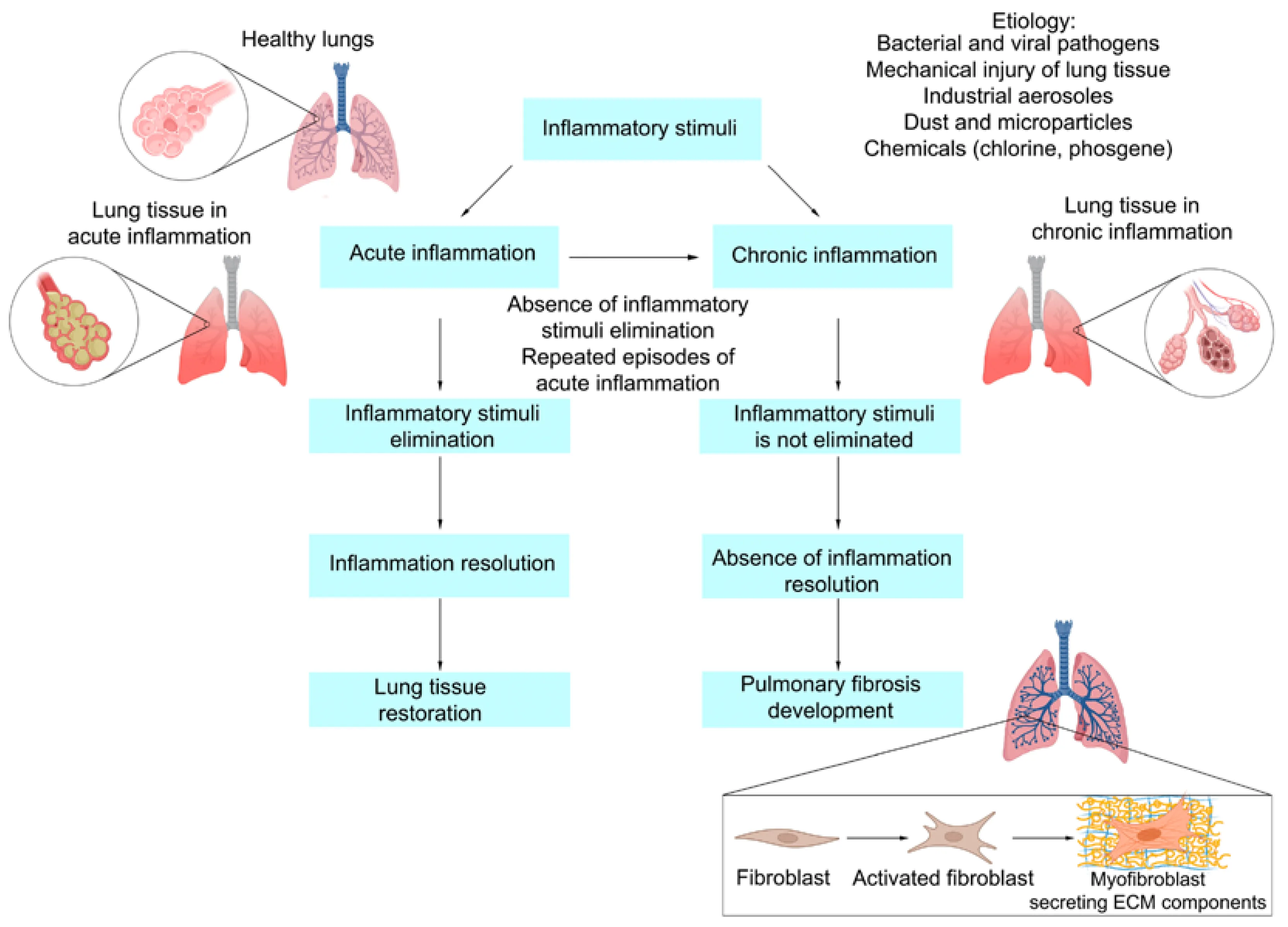
One of the most concerning long-term consequences of severe respiratory infections, particularly those causing significant lung inflammation like severe pneumonia or Acute Respiratory Distress Syndrome (ARDS), is the development of chronic lung diseases such as pulmonary fibrosis.
Understanding Pulmonary Fibrosis
Pulmonary fibrosis is a condition where lung tissue becomes scarred and damaged. This scarring makes the lungs stiff and difficult to expand, reducing their ability to transfer oxygen into the bloodstream. Over time, this can lead to progressive shortness of breath, chronic cough, and reduced exercise tolerance. While some scarring may resolve, severe fibrosis can be irreversible and significantly impair lung function.
Factors Contributing to Post-Infection Fibrosis
Several factors increase the risk of developing pulmonary fibrosis after a respiratory infection:
- Severity of Lung Injury: Infections leading to extensive pneumonia or ARDS cause more significant tissue damage, increasing the likelihood of fibrotic changes.
- Prolonged Mechanical Ventilation: While life-saving, mechanical ventilation can sometimes contribute to lung injury, potentially exacerbating fibrosis.
- Inflammatory Cascade: An uncontrolled or prolonged inflammatory response can lead to excessive collagen deposition and scarring.
- Genetic Predisposition: Some individuals may be genetically predisposed to developing fibrosis following lung injury.
Early identification through imaging and lung function tests is crucial for managing this progressive condition, often involving anti-fibrotic medications and comprehensive pulmonary rehabilitation programs.
Immune System Dysregulation: A Persistent Challenge
Beyond the immediate fight against a pathogen, respiratory infections can leave a lasting imprint on the immune system, leading to dysregulation that contributes to chronic health issues. This isn't just about being more susceptible to future infections; it can involve more complex alterations.
Some individuals may experience a prolonged state of inflammation, where the immune system remains overactive, potentially leading to autoimmune phenomena or exacerbating existing autoimmune conditions. Conversely, others might experience a form of immune exhaustion or suppression, making them more vulnerable to secondary infections or the reactivation of latent viruses. This immune imbalance can manifest as chronic fatigue, persistent low-grade fevers, or unusual inflammatory responses in various organs. Research is ongoing to understand these complex immune shifts and develop targeted therapies to restore immune homeostasis after severe infections.
Rehabilitation Pathways: Restoring Quality of Life
For individuals experiencing significant long-term health effects from respiratory infections, comprehensive rehabilitation is often key to regaining function and improving quality of life. These pathways are designed to address the multifaceted challenges encountered during recovery.
- Pulmonary Rehabilitation: This program focuses on improving lung function and reducing breathlessness through tailored exercise, breathing techniques, and education. It helps patients manage their respiratory symptoms and increase their endurance.
- Physical Therapy: Addressing muscle weakness, joint stiffness, and deconditioning, physical therapy helps individuals regain strength, mobility, and balance, enabling them to resume daily activities.
- Occupational Therapy: This therapy helps patients adapt to new functional limitations, teaching strategies and modifications for daily tasks, work, and leisure activities to enhance independence.
- Cognitive Rehabilitation: For those with brain fog or cognitive impairment, specialized programs can help improve memory, attention, and executive functions through targeted exercises and compensatory strategies.
- Psychological Support: Counseling, cognitive behavioral therapy (CBT), and support groups are crucial for addressing anxiety, depression, and PTSD, which often accompany chronic illness and prolonged recovery.
- Nutritional Counseling: Optimizing diet can support recovery, boost energy levels, and manage inflammation, playing a vital role in overall rehabilitation.
Defining Successful Long-Term Health Outcomes
Measuring success in the context of long-term recovery from respiratory infections goes beyond the absence of the initial pathogen. It encompasses a holistic view of well-being and functional capacity, aiming for a return to pre-illness quality of life or the best possible adaptation.
- Functional Independence: The ability to perform daily activities, work, and engage in social life without significant assistance or debilitating symptoms.
- Improved Symptom Management: A significant reduction in the severity and frequency of persistent symptoms like fatigue, breathlessness, and pain, allowing for a more comfortable existence.
- Mental and Emotional Well-being: Reduction in symptoms of anxiety, depression, and stress, coupled with improved coping mechanisms and a positive outlook.
- Enhanced Quality of Life: A subjective measure reflecting satisfaction with health, relationships, and overall life circumstances.
- Stable or Improved Organ Function: Evidence of stable or recovering lung, heart, and neurological function, as assessed by medical tests.
- Reduced Relapse or Exacerbation: A lowered incidence of recurring symptoms or new complications related to the initial infection.
Future Research Directions and Public Health Implications
The growing recognition of long-term health effects from respiratory infections underscores the urgent need for continued research and adaptive public health strategies. Understanding the full scope of these conditions is an evolving field, with scientists globally working to unravel their complexities.
Future research will focus on identifying specific biomarkers for predicting long-term risk, developing targeted therapies for post-viral syndromes, and understanding the genetic and environmental factors that influence recovery. Public health initiatives will need to adapt by establishing specialized post-COVID and post-viral clinics, integrating mental health support into recovery pathways, and strengthening surveillance systems to track the long-term burden of these diseases. This collective effort is crucial for minimizing the societal and individual impact of future respiratory outbreaks. For broader insights into global disease trends and monitoring, refer to resources like the Global Health Statistics Today and Outbreak Tracker.
The World Health Organization (WHO) continues to play a pivotal role in coordinating global research and policy responses to these challenges. Their ongoing work helps to shape the understanding and management of post-infectious conditions worldwide, providing guidance and frameworks for national health systems. You can find more information about their initiatives on the WHO official website.