Understanding Post Viral Syndrome: The Extended Recovery Challenge
Post viral syndrome represents a complex constellation of persistent symptoms that linger long after an acute viral infection has supposedly cleared. For many individuals, what starts as a standard flu, coronavirus, or other respiratory illness transforms into a frustrating marathon of fatigue, brain fog, and physical exhaustion. Understanding post viral syndrome symptoms diagnosis and treatments is essential for anyone struggling to regain their pre-illness vitality and functioning.
The medical community continues to research why certain pathogens trigger long-lasting immune dysregulation while others leave no trace after a few weeks. Modern diagnostics rely heavily on ruling out other chronic conditions, making patient self-advocacy and detailed symptom tracking vital components of the recovery journey. Recognizing these patterns early can prevent years of misdiagnosis and unnecessary suffering.
As research expands, healthcare providers are developing more structured approaches to patient care, moving away from dismissing symptoms as purely psychological toward validating the physiological reality of post-viral illness. This shift offers renewed hope for millions navigating unexplained fatigue and cognitive dysfunction.
Comparative Matrix of Post-Viral Illness Indicators
Evaluating overlapping health conditions requires a structured framework to differentiate post-viral fatigue from chronic fatigue syndrome, fibromyalgia, and lingering active infections. The matrix below outlines key diagnostic markers and clinical presentations to help patients and practitioners clarify overlapping presentations.
| Condition | Primary Trigger | Core Symptom | Diagnostic Focus |
|---|---|---|---|
| Post-Viral Syndrome | Known viral infection | Prolonged fatigue, weakness | Ruling out organ damage |
| ME/CFS | Viral or unknown trigger | Severe post-exertional malaise | Long-term functional decline |
| Fibromyalgia | Physical or emotional stress | Generalized widespread pain | Tender point examination |
| Long COVID | SARS-CoV-2 infection | Multi-organ systemic symptoms | Variant-specific tracking |
Recognizing the Most Common Physical Symptoms
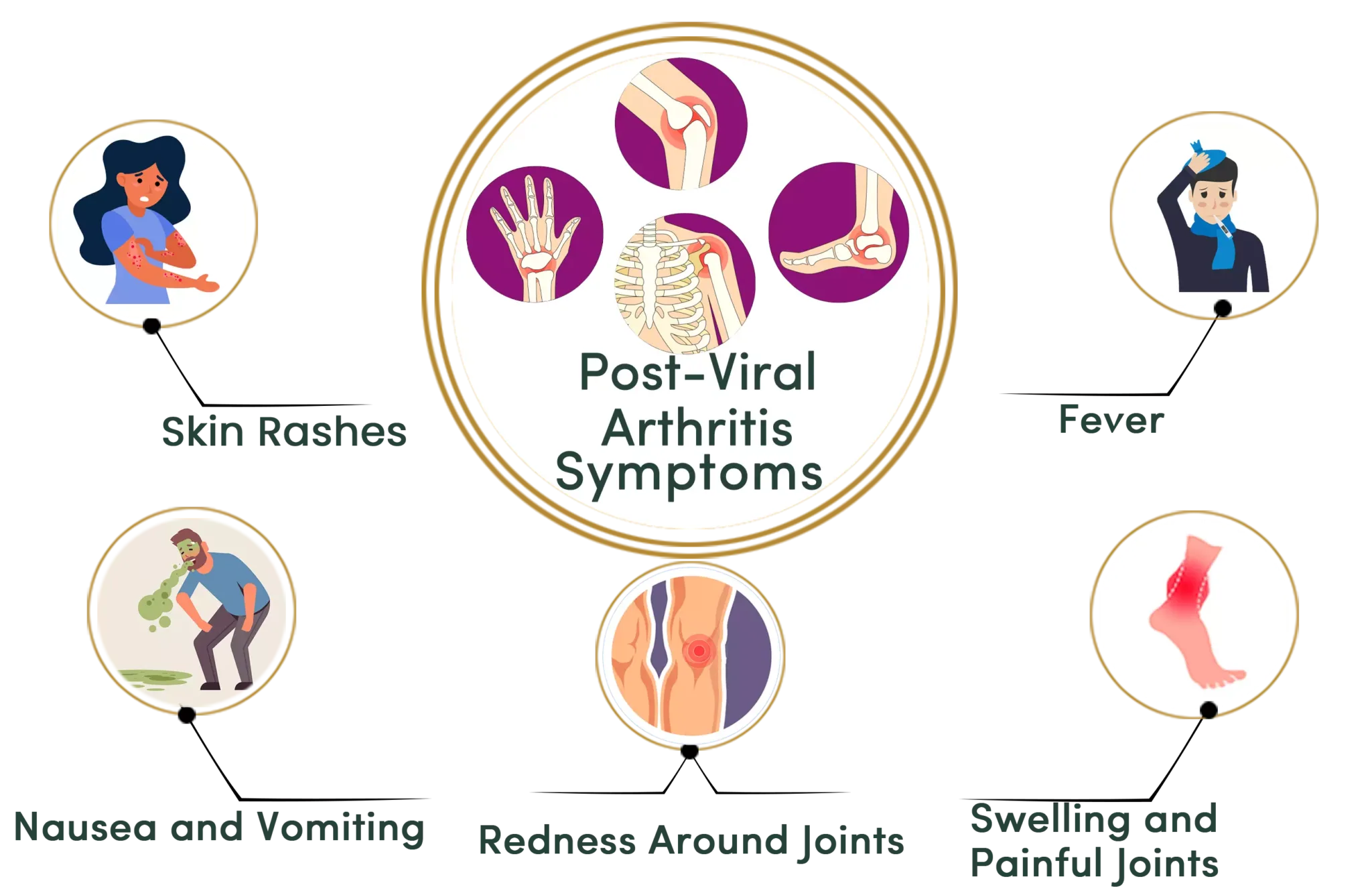
Physical manifestations of post-viral illness can affect virtually every organ system in the human body, varying dramatically in severity from person to person. Recognizing these signs helps patients communicate effectively with their medical providers during consultations.
- Severe, unrefreshing physical fatigue that fails to improve with adequate rest or sleep.
- Pacing challenges driven by post-exertional malaise, where minor exertion triggers extreme relapse.
- Unexplained muscle aches, joint stiffness, and deep tissue soreness throughout the body.
- Persistent low-grade fevers, chills, and recurring swollen lymph nodes in the neck and underarms.
- Fluctuating heart rate abnormalities, including inappropriate tachycardia during mild daily activities.
- Gastrointestinal disturbances such as nausea, bloating, and irritable bowel symptoms.
Navigating Neurological and Cognitive Challenges
Cognitive dysfunction is one of the most distressing aspects of post-viral illness, frequently referred to by patients and clinicians as brain fog. This symptom impairs daily productivity, professional performance, and interpersonal communication.
- Experiencing noticeable difficulty concentrating on complex tasks, reading, or maintaining focus during meetings.
- Failing to recall familiar words, names, or recent events with normal frequency and clarity.
- Processing information at a significantly slower pace than before the initial viral illness.
- Suffering from sensory overload in environments with bright lights, loud noises, or heavy crowds.
- Struggling with executive functions such as planning, organization, and multi-step decision-making.
- Noticing short-term memory lapses that disrupt routine household or workplace responsibilities.
Standard Diagnostic Procedures and Medical Evaluations
Diagnosing post-viral conditions requires a methodical process of elimination because no single biomarker or definitive blood test currently exists for the syndrome. Physicians must conduct comprehensive evaluations to rule out alternative diagnoses.
- Comprehensive metabolic panels and complete blood counts to check baseline organ function.
- Inflammatory marker testing, including C-reactive protein and erythrocyte sedimentation rates.
- Thyroid function tests to evaluate hormone imbalances that mimic fatigue and weakness.
- Autoimmune panels to check for underlying rheumatic or systemic inflammatory conditions.
- Pulmonary function tests and cardiac imaging if respiratory or cardiovascular symptoms persist.
- Sleep studies to investigate potential sleep apnea or other restorative sleep disorders.
Professional Treatment Approaches and Management Strategies
Managing post-viral illness demands a personalized, multidisciplinary approach focused on symptom relief, energy conservation, and gradual functional rehabilitation under medical supervision.
- Implementing aggressive rest and pacing strategies to avoid triggering post-exertional crashes.
- Utilizing targeted nutritional supplementation under professional guidance to support cellular energy production.
- Engaging in gentle, highly modified physical therapy designed specifically for energy-limited patients.
- Exploring prescription medications to manage specific symptoms like chronic pain, insomnia, or tachycardia.
- Working with occupational therapists to adapt daily living tasks and conserve physical energy.
- Participating in cognitive behavioral therapy or peer support groups to cope with chronic illness stress.
Pros and Cons of Common Pacing and Activity Management Techniques
Activity management is critical for avoiding energy crashes, but different pacing frameworks carry distinct advantages and drawbacks depending on individual severity levels.
Energy Envelope Pacing vs. Graded Exercise Therapy
- Energy Envelope Pacing (Pros): Prevents severe post-exertional crashes, respects physiological limits, and promotes long-term stability by staying within available energy reserves.
- Energy Envelope Pacing (Cons): Can feel restrictive, requires constant self-monitoring, and limits spontaneous physical activities or social engagements.
- Graded Exercise Therapy (Cons): Often causes severe relapses and symptom exacerbation in patients with post-exertional malaise, making it clinically controversial today.
- Graded Exercise Therapy (Pros): Historically promoted for deconditioning, though modern clinical guidelines now advise extreme caution or avoidance for post-viral patients.
Who Should Choose Specialized Post-Viral Clinics?
Navigating recovery alone can be overwhelming, which is why specialized multidisciplinary clinics offer distinct advantages for patients struggling with complex, multi-system symptoms.
- Patients experiencing severe multi-system symptoms that do not respond to standard primary care interventions.
- Individuals who require coordinated care among cardiologists, neurologists, immunologists, and physical therapists.
- Those seeking access to emerging clinical trials, specialized rehabilitation programs, and updated diagnostic protocols.
- People who need formal documentation and disability support accommodations for employers or insurance providers.
Step-by-Step Implementation of Energy Conservation Protocols
Learning to conserve energy is a learned skill that requires systematic planning and a willingness to restructure daily habits to prevent physical burnout.
- Assess your daily baseline energy levels by maintaining a detailed activity and symptom journal for two weeks.
- Identify high-cost physical and cognitive tasks that drain your energy reserves disproportionately.
- Break essential daily chores into smaller, manageable segments interspersed with mandatory rest breaks.
- Delegate non-essential household tasks to family members, friends, or hired care assistants when possible.
- Establish strict boundaries around work hours, social commitments, and screen time to protect recovery time.
- Review and adjust your pacing strategy weekly based on symptom flare-ups and energy fluctuations.
Financial, Time, and Risk Factors in Long-Term Management
Managing a chronic post-viral condition involves significant practical considerations regarding financial costs, time commitments, and potential therapeutic risks.
- Financial investments in specialized consultations, supplements, and lifestyle adjustments can strain household budgets.
- Time commitments for medical appointments, physical therapy, and rest periods require flexible scheduling and employer understanding.
- Therapeutic risks include adverse reactions to off-label medications and potential setbacks from over-exertion during rehabilitation.
- Navigating insurance coverage denials for specialized chronic illness treatments can create ongoing administrative stress.
Sleep Hygiene and Restorative Recovery Techniques
Sleep disturbances frequently accompany post-viral syndromes, worsening cognitive dysfunction and physical fatigue. Optimizing sleep hygiene is a foundational pillar of any recovery plan.
- Maintaining a strict, consistent sleep and wake schedule every day of the week, including weekends.
- Eliminating blue light exposure from smartphones and computers at least one hour before bedtime.
- Keeping the bedroom cool, dark, and quiet to encourage deep restorative sleep cycles.
- Avoiding caffeine, heavy meals, and alcohol in the hours leading up to your bedtime routine.
- Practicing relaxation techniques such as deep breathing or meditation to calm the nervous system before sleep.
Nutritional Support and Dietary Considerations
Dietary adjustments can play a supportive role in reducing systemic inflammation and supporting gut health during the post-viral recovery process.
- Focus on consuming an anti-inflammatory diet rich in colorful vegetables, lean proteins, and healthy fats.
- Increase hydration with water and electrolyte solutions to support blood volume and cardiovascular stability.
- Identify and temporarily eliminate potential food sensitivities or inflammatory triggers like processed sugars and gluten.
- Incorporate gut-friendly foods such as fermented products and fiber to support the microbiome.
- Consult with a registered dietitian before starting high-dose vitamin supplementation regimens.
Mental Health Support and Coping Strategies
Living with an unpredictable chronic condition takes a heavy toll on emotional well-being, making mental health support an essential component of comprehensive care.
Chronic illness is not just a physical challenge; it is an emotional marathon that requires immense resilience, community validation, and compassionate self-care.
Building a reliable support network of family, friends, and fellow patients helps mitigate feelings of isolation and despair. Professional counseling can also provide practical coping mechanisms for managing grief over lost abilities and adjusting to a new normal. Furthermore, engaging in expressive writing or mindfulness practices can lower cortisol levels and foster a greater sense of inner peace amidst daily physical uncertainties.
Long-Term Outlook and Recovery Trajectories
Understanding the long-term trajectory of post-viral syndrome can provide a sense of grounded realism and hope for individuals navigating recovery. While the timeline varies significantly from person to person, clinical observations indicate that recovery is rarely a linear progression. Instead, patients often experience fluctuating cycles of improvement interspersed with temporary setbacks, commonly referred to as crashes or relapses. Recognizing these patterns early can prevent the frustration and despair that frequently accompany unexpected symptom flares. By anticipating these waves, patients can learn to adjust their activity levels proactively rather than reacting to exhaustion after it has already overwhelmed their system.
Furthermore, longitudinal studies on post-viral conditions reveal that many individuals do experience gradual recovery or stabilization over months and years, provided they manage their energy budgets carefully. Healthcare providers emphasize the importance of viewing recovery as a marathon rather than a sprint. Working closely with an interdisciplinary medical team ensures that emerging symptoms are addressed promptly and that treatment plans evolve in tandem with the patient's changing physiological needs. Maintaining open lines of communication with supportive medical professionals remains one of the most reliable anchors for long-term health management.
Navigating Workplace and Educational Accommodations
Returning to professional or academic environments following the onset of post-viral syndrome requires strategic planning and effective communication with employers or educational institutions. Many individuals find that returning to their previous full-time schedules immediately is physically unsustainable, necessitating formal accommodations under disability frameworks or human rights legislation. Advocating for one's health needs in the workplace can feel daunting, but documenting symptom limitations thoroughly with the help of treating physicians provides a solid foundation for requesting necessary modifications, such as remote work options, flexible hours, or reduced workloads.
To successfully navigate workplace or academic adjustments, consider the following practical steps:
- Request a Formal Evaluation: Work with your occupational health department or human resources representative to explore available accommodation policies.
- Focus on Gradual Re-entry: Propose a phased return schedule, starting with a few hours per week and incrementally increasing as tolerated.
- Identify Key Ergonomic and Environmental Triggers: Minimize exposure to harsh fluorescent lighting, loud environments, and physical exertion within the workspace.
- Maintain Clear Documentation: Keep detailed records of medical recommendations and communications with management to protect your professional standing.
Ultimately, prioritizing sustainable lifestyle adjustments over societal pressures is vital for long-term well-being. By embracing structured pacing, targeted nutritional support, mental health care, and appropriate professional accommodations, individuals affected by post-viral syndrome can reclaim a meaningful quality of life and navigate their healing journey with resilience and informed confidence.