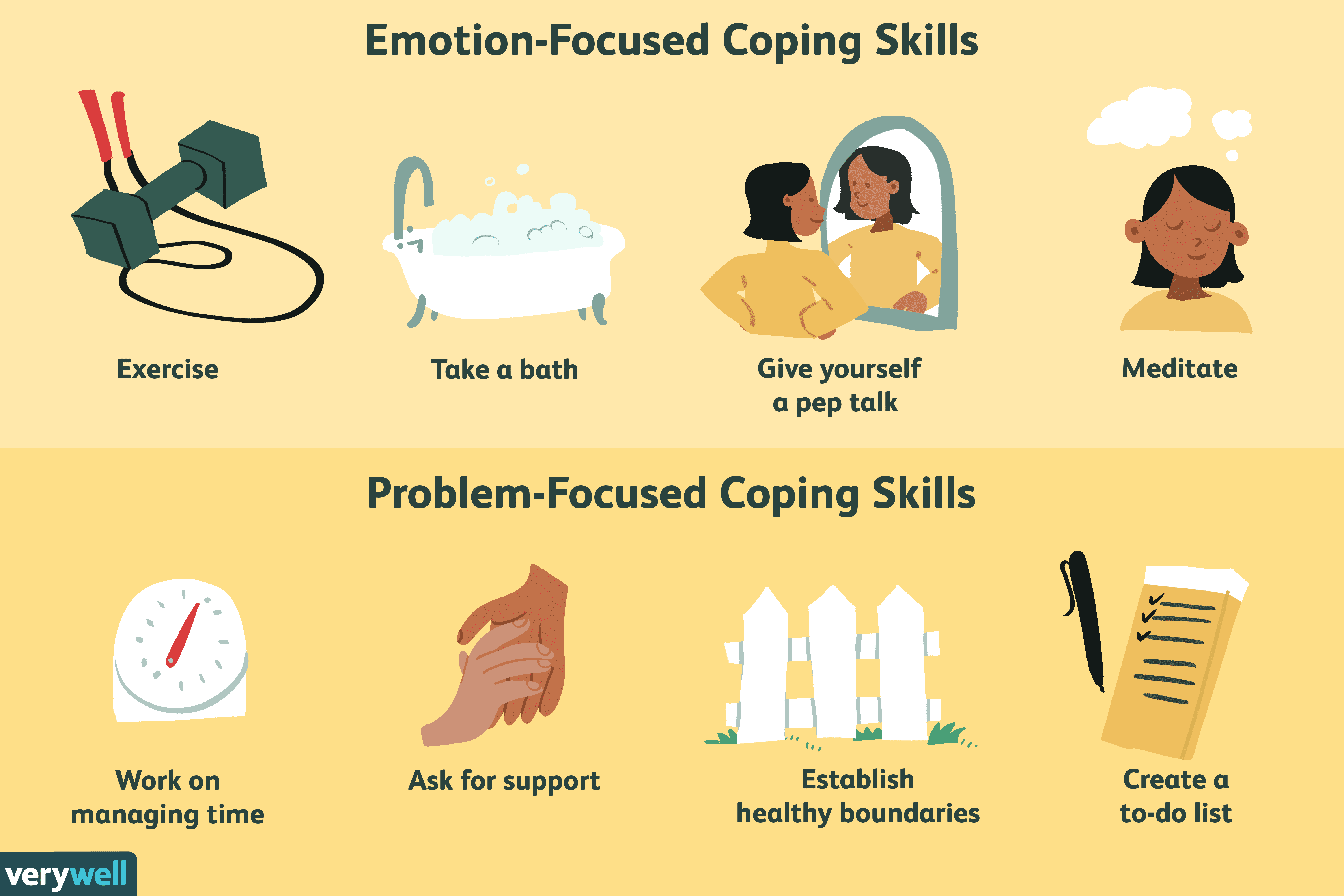
Recent global epidemiological surveys reveal a sharp, persistent surge in population-wide anxiety, acute stress, and depressive disorders during sudden disease outbreaks. When systemic health emergencies emerge, public attention naturally focuses on physical safety, infection rates, and medical infrastructure. However, real-time epidemiological monitoring indicates that mental health coping strategies during health crises are equally crucial for preserving systemic community resilience and preventing long-term psychological disability.
Global public health data indicates that over 42% of individuals living through prolonged health emergencies experience clinical thresholds of acute stress and severe anxiety, yet fewer than one-third access structured psychological support during early outbreak phases.
Understanding the psychological toll of widespread health emergencies requires analyzing behavioral metrics, neural stress responses, and evidence-based interventions. By examining real-world health data and clinical trials, individuals and health institutions can deploy proactive stabilization routines before acute panic transitions into chronic psychological conditions.
What the 42% Surge in Psychological Distress Numbers Hides
While aggregate health statistics illustrate a widespread rise in distress metrics, global summary numbers often obscure localized variance in human suffering. During early outbreak announcements, public health agencies register dramatic spikes in emergency hotline calls, search engine queries for panic symptoms, and prescription rates for short-term anti-anxiety medications.
A closer evaluation of longitudinal health tracking reveals that these psychological surges follow distinct emotional trajectories. Initial spikes are driven by situational fear and acute uncertainty, whereas delayed secondary waves reflect economic strain, prolonged isolation, and burnout among caregivers and frontline responders. Monitoring real-time epidemiological context through resource hubs like global outbreak trackers provides vital context on how physical disease exposure correlates directly with localized mental stress spikes.
Quantifying Psychological Impact Across Outbreak Phases
Psychological reactions to health crises evolve alongside the public health trajectory. Data collected from clinical field trials and municipal monitoring frameworks demonstrates clear variations in mental stress markers depending on the outbreak stage.
| Outbreak Phase | Estimated Distress Prevalence | Primary Stress Trigger | Dominant Clinical Symptom |
|---|---|---|---|
| Early Threat Detection | 58% | Uncertainty & Sudden Loss of Control | Panic Attacks & Hypervigilance |
| Acute Containment / Quarantines | 71% | Social Isolation & Information Overload | Generalized Anxiety & Sleep Disruption |
| Protracted Emergency | 44% | Financial Strain & Caregiver Fatigue | Depressive Symptoms & Emotional Exhaustion |
| Post-Peak Recovery | 29% | Re-entry Anxiety & Traumatic Memory Processing | Post-Traumatic Stress Symptoms |
The Neurological Cascade: How Acute Health Threats Trigger Chronic Stress
When public health emergencies are declared, the human nervous system identifies the situation as an existential threat. This biological perception initiates a cascade of physiological responses designed for acute survival, but problematic for long-term health when sustained over months.
- Perception of Threat: Sensory inputs process alarming news headlines, visual cues of physical illness, or sudden structural disruptions.
- Amygdala Activation: The brain's emotional center sends an immediate distress signal to the hypothalamus without waiting for cognitive processing.
- Sympathetic Nervous System Surge: Epinephrine and norepinephrine flood the bloodstream, accelerating heart rate, elevating blood pressure, and heightening sensory alert.
- HPA Axis Engagement: The hypothalamic-pituitary-adrenal axis releases high concentrations of cortisol to mobilize physical energy reserves.
- Prefrontal Cortex Downregulation: High cortisol levels suppress logical decision-making, executive planning, and emotional self-regulation circuits.
- Sustained Allostatic Load: Persistent crisis exposure prevents bodily systems from returning to baseline, causing physical wear, cognitive fatigue, and immune suppression.
Demographic Vulnerabilities in Crisis Response Data
Clinical data confirms that biological, social, and economic factors significantly alter how individuals process public health emergencies. Tailoring intervention strategies requires acknowledging these distinct demographic profiles:
- Frontline Healthcare Workers: Suffer from moral injury, extreme sleep deprivation, and intense fear of transmitting infection to family members.
- Individuals with Pre-existing Psychiatric Conditions: Experience exacerbated symptom intensity due to interrupted therapy schedules and medication supply disruptions.
- Elderly and Isolated Populations: Face severe cognitive decline risks and profound loneliness stemming from strict physical quarantine measures.
- Low-Income Households: Experience compound trauma from simultaneous health threats and sudden economic or food insecurity.
- Parents and Primary Caregivers: Suffer from severe time-poverty and emotional exhaustion while balancing child supervision, work, and family safety.
- Immunocompromised Individuals: Experience prolonged hypervigilance due to elevated risk of severe physical outcomes during widespread viral spread.
Cognitive Reframing as an Immediate Neural Circuit Interrupter
Cognitive Behavioral Therapy (CBT) techniques offer proven methods for interrupting automatic fear responses. During global health emergencies, distorted thinking patterns like catastrophizing and black-and-white logic rapidly amplify emotional distress.
Tackling Catastrophizing and Binary Thinking
To restore executive function in the brain, clinicians recommend structured cognitive reframing protocols. When catastrophic thoughts arise, applying evidence-based cognitive filters prevents emotional escalation:
- Identifying Cognitive Distortions: Recognizing when the mind jumps to worst-case scenarios without factual validation.
- Fact-Checking Internal Narratives: Comparing emotional fear assumptions against authoritative public health announcements, such as official WHO health updates.
- Replacing Absolute Statements: Shifting internal self-talk from rigid terms like "everything is falling apart" to balanced observations like "this is a challenging situation, but I am taking measurable safety steps."
- Focusing on Controllable Variables: Diverting mental focus away from national disease trajectories toward personal hygiene, daily scheduling, and direct home environment safety.
Five Daily Behavioral Anchor Protocols for High-Stress Environments
Establishing daily behavioral anchors stabilizes circadian rhythms and restores a sense of autonomy when external environments feel chaotic. Implementing structured protocols mitigates feelings of helplessness.
- Maintain Fixed Sleep-Wake Cycles: Wake up and go to sleep at the exact same times every day to preserve melatonin and cortisol regulation.
- Implement a Morning Media Boundary: Delay reading emergency health updates or news channels for at least 60 minutes after waking up.
- Practice Scheduled Worry Windows: Designate a single 15-minute daily window to write down concerns, preventing intrusive thoughts from dominating the entire day.
- Engage in Structured Physical Movement: Perform at least 20 to 30 minutes of moderate physical activity daily to decrease circulating cortisol levels.
- Establish an Evening Wind-Down Ritual: Discontinue electronic screen use 90 minutes before bed to allow the central nervous system to enter rest mode.
Somatic Regulation Techniques for Rapid Physiological Downregulation
Because acute fear manifests physically within the autonomic nervous system, somatic practices offer a fast mechanism for lowering elevated heart rate and hyperventilation during a health crisis.
- Box Breathing (4-4-4-4 Protocol): Inhale through the nose for 4 seconds, hold breath for 4 seconds, exhale through the mouth for 4 seconds, and hold empty for 4 seconds for several cycles.
- Physiological Sighing: Take two consecutive quick inhales through the nose followed by one long, slow exhale through the mouth to rapidly offload carbon dioxide and trigger parasympathetic activation.
- Progressive Muscle Relaxation (PMR): Systematically tense specific muscle groups for 5 seconds and release them completely for 10 seconds, scanning from toes to forehead.
- 5-4-3-2-1 Grounding Technique: Verbally name 5 things you can see, 4 things you can physically feel, 3 things you can hear, 2 things you can smell, and 1 thing you can taste to anchor focus in the immediate environment.
- Vagus Nerve Stimulation via Cold Exposure: Apply a cold compress or cold water to the face to trigger the mammalian dive reflex, immediately slowing heart rate.
Structuring Information Intake to Mitigate Media-Induced Fear
Continuous consumption of sensationalized news releases elevated amounts of stress hormones. Managing media consumption is a crucial component of effective mental health coping strategies during health crises.
Establishing Boundaries for Outbreak Tracking and News Consumption
Limiting information channels to credible, non-sensational sources prevents cognitive overload and panic accumulation:
- Select Two Authoritative Primary Sources: Limit health tracking exclusively to official institutions like the Centers for Disease Control and Prevention or regional health authorities.
- Schedule Fixed Update Times: Check breaking headlines only twice per day (e.g., 10:00 AM and 4:00 PM) rather than endlessly refreshing social media feeds.
- Disable Push Notifications: Turn off breaking news alerts on smartphones and desktop computers to eliminate unpredictable anxiety spikes throughout the workday.
- Mute Triggering Social Media Keyword Threads: Filter out panic-inducing search terms, unverified rumor threads, and graphic videos on digital social platforms.
Community Connection Mechanisms for Isolation-Induced Anxiety
Quarantines and physical distancing measures necessary during viral outbreaks significantly increase social isolation, which clinical studies link to elevated risks of clinical depression and physical inflammation.
- Virtual Co-Working and Shared Meals: Use video platforms to host unstructured, low-pressure social interactions with friends, family, or colleagues.
- Peer Support Micro-Groups: Form small digital circles focused on mutual encouragement, accountability, and problem-solving rather than news vent sessions.
- Volunteering and Mutual Aid Initiatives: Engage in organized community service, such as meal preparation or check-in calls for vulnerable neighbors, to foster agency and purpose.
- Explicit Emotional Check-Ins: Replace superficial small talk with honest assessments of mental well-being when speaking with trusted friends or professionals.
- Shared Digital Hobbies: Join remote book clubs, online exercise groups, or creative arts circles to maintain cognitive engagement outside of crisis monitoring.
Comparative Analysis of Psychological Coping Frameworks
Different therapeutic approaches offer unique benefits depending on the specific psychological stressors encountered during a health emergency. Understanding these framework modalities helps individuals select the right tool for their situation.
- Cognitive Behavioral Therapy (CBT): Focuses on identifying irrational beliefs and restructuring thought patterns. Best for acute anxiety, health worry, and catastrophic thinking.
- Acceptance and Commitment Therapy (ACT): Emphasizes accepting uncomfortable emotions while committing to actions aligned with personal values. Best for uncontrollable external crisis circumstances.
- Mindfulness-Based Stress Reduction (MBSR): Combines meditation, body awareness, and yoga to cultivate non-judgmental present-moment awareness. Best for chronic stress and physical tension.
- Dialectical Behavior Therapy (DBT) Distress Tolerance: Provides concrete sensory skills to survive intense emotional crises without making decisions that escalate the situation. Best for acute panic and emotional flooding.
- Interpersonal Psychotherapy (IPT): Addresses relationship strain and social role transitions caused by public health crises. Best for isolation, grief, and family conflict.
Protecting High-Risk and Vulnerable Groups During Escalations
Public health emergencies do not affect all populations equally. Developing localized support systems requires explicit protocols to safeguard vulnerable populations who face elevated environmental and systemic risks.
Integrating systematic outreach into crisis planning ensures that individuals who are isolated, immunocompromised, or mobility-impaired retain access to critical psychiatric and medical support. Detailed methodologies for community safeguards are outlined in our guide on vulnerable populations protection strategies, which outlines structural interventions during emergency mandates.
- Proactive Wellness Check Networks: Establish scheduled telephone tree networks to check on isolated seniors and disabled community members twice weekly.
- Accessible Telehealth Infrastructure: Ensure mental health clinicians offer phone-based and low-bandwidth video options for individuals without high-speed internet.
- Crisis Prescription Delivery Programs: Coordinate with local pharmacies to deliver essential psychiatric and physical medications directly to vulnerable homes.
- Clear Multi-Lingual Public Communication: Publish mental health guidance and safety rules in clear, translated, and culturally adapted formats for non-native speakers.
Tracking Your Personal Mental Health Metrics and Stress Markers
Systematically tracking personal psychological metrics allows individuals to notice cognitive and emotional decline before reaching severe clinical burn-out.
- Daily Subjective Units of Distress Scale (SUDS): Rate daily anxiety on a simple 1 to 10 scale every evening to spot upward trends early.
- Somatic Symptom Inventory: Log physical warning signs like jaw clenching, tension headaches, digestive distress, or muscle stiffness.
- Sleep Efficiency Ratio: Record time spent asleep versus time spent tossing and turning in bed to monitor onset insomnia.
- Social Engagement Frequency: Count daily meaningful interactions with loved ones to prevent gradual, unnoticed withdrawal from social networks.
- Standardized Clinical Screening Tools: Periodically complete validated self-assessment questionnaires like the
GAD-7for anxiety or thePHQ-9for depressive symptoms.
Clinical Interventions Versus Self-Guided Stabilization Methods
While self-directed coping strategies are effective for managing moderate situational stress, severe public health crises often require professional mental health intervention. Knowing when to escalate care saves lives.
- Recognize Red Flag Symptoms: Identify persistent insomnia lasting over two weeks, recurring panic attacks, continuous unmanageable intrusive thoughts, or suicidal ideation.
- Contact Crisis Support Hotlines: Utilize regional emergency mental health hotlines or text lines for immediate crisis stabilization and guidance.
- Schedule a Professional Intake Consultation: Engage licensed therapists, psychologists, or psychiatrists through certified telehealth platforms.
- Evaluate Short-Term Pharmacotherapy: Consult a physician or psychiatrist to determine if temporary medication management is appropriate for restoring functional stabilization.
- Establish a Safety Plan: Construct a written crisis plan listing professional contacts, trusted family members, coping skills, and emergency medical resources.
Integrating Long-Term Resilience Systems Post-Crisis
As public health emergencies abate and physical restrictions ease, psychological challenges often persist in the form of post-crisis fatigue, unresolved grief, and re-entry anxiety. Transitioning from acute crisis survival to long-term recovery requires intentional integration of sustainable resilience habits.
Reframing health emergencies as opportunities to strengthen individual and community adaptability fosters psychological post-traumatic growth. Rather than abandoning coping protocols once immediate physical threats recede, embedding mindfulness practice, boundaries around news intake, and proactive community connection into everyday routines ensures enduring mental well-being against future systemic disruptions.
Ultimately, prioritizing psychological health alongside physical infection prevention creates a balanced, sustainable defense strategy. By deploying data-backed mental health coping strategies during health crises, individuals protect their cognitive capacity, maintain emotional stability, and foster long-term personal resilience.