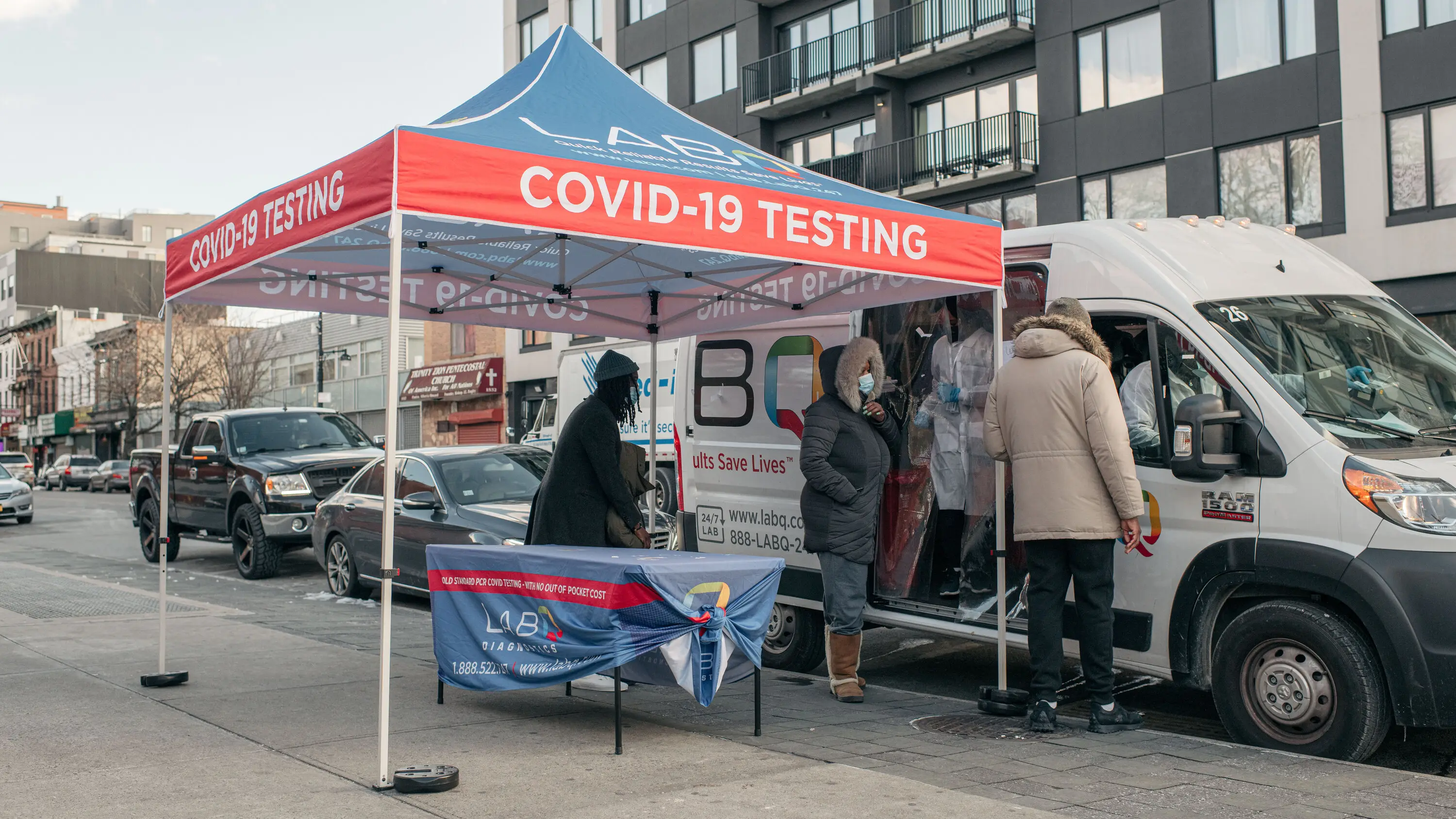
Accessing reliable community health resources and testing site locations is essential for maintaining individual wellness and safeguarding public health. As healthcare delivery models evolve, municipal health departments, federally funded clinics, and local non-profit organizations have expanded their neighborhood outreach programs. Knowing where to turn for preventive screenings, rapid infectious disease testing, and comprehensive primary care ensures that families receive timely intervention regardless of insurance status or financial standing.
In recent years, public health agencies have integrated digital maps, mobile care units, and community-based partnerships to simplify patient navigation. Understanding how these systems operate allows community members to secure affordable care close to home. For real-time updates on emerging public health updates and regional health alerts, reviewing modern global health statistics today and outbreak tracker data provides valuable context for localized medical services.
How Are Local Public Health Departments Expanding Diagnostic Testing Access?
Municipal and county health departments serve as the primary infrastructure for public diagnostic testing and disease surveillance. To prevent overcrowding in regional emergency rooms, public health administrators strategically position neighborhood testing hubs, pop-up screening stations, and drive-through diagnostic units in areas with limited medical facilities.
- Strategic Location Mapping: Public health teams utilize geographic information systems (GIS) to identify underserved ZIP codes and deploy resources directly where diagnostic gaps exist.
- Subsidized Diagnostic Kits: Local health agencies distribute non-invasive at-home test kits through public libraries, community centers, and local fire stations.
- Extended Operating Hours: To accommodate non-traditional work schedules, municipal centers now frequently offer early morning, late evening, and weekend appointments.
- Walk-In Diagnostic Services: Many municipal sites eliminate strict appointment requirements to ensure immediate access for patients experiencing acute symptoms.
- Integration with Follow-Up Care: Individuals who test positive at municipal locations are directly connected with case managers, prescription support, and telehealth consultation options.
What Types of Community Health Centers Offer Free or Low-Cost Screenings?
Community health centers form the backbone of safety-net care in both urban centers and rural districts. These facilities operate with a mission to provide high-quality medical care to patients regardless of their ability to pay, utilizing sliding-fee schedules based on family size and annual household income.
- Federally Qualified Health Centers (FQHCs): Community-based health organizations funded by the federal government that provide comprehensive primary care, lab diagnostics, and preventive health screenings on a sliding fee scale.
- Look-Alike Health Centers: Organizations that meet all FQHC operational guidelines but do not receive direct federal grant funds, relying instead on state and local grants to subsidize patient care.
- Free and Charitable Clinics: Non-profit entities driven largely by volunteer healthcare professionals, offering targeted screening services, blood work, and health monitoring at zero cost to patients.
- County Health Clinics: Government-run facilities focused heavily on communicable disease control, routine vaccinations, maternal-child health services, and routine laboratory screening.
- School-Based Health Centers: Comprehensive health offices located within public schools, giving students and neighboring family members convenient access to basic diagnostic testing and primary preventive care.
Where Can Uninsured Individuals Find Nearby Mobile Health Clinics?
For individuals living in rural pockets or urban medical deserts, mobile health clinics bring essential diagnostic services directly to neighborhood streets. These custom vehicles are equipped with medical examination rooms, point-of-care laboratory devices, and trained clinical staff.
Locating Mobile Health Schedules and Routes
Finding a mobile clinic requires checking local government portals, social service directories, or community action network updates. Many mobile units operate on rotating monthly schedules, visiting specific neighborhood parks, faith-based gathering places, and local grocery store parking lots on fixed days of the week.
- Check Local Government Portals: City and county public health websites post updated calendar schedules detailing mobile unit routes and daily operation hours.
- Call 211 Human Services Information: Dialing 211 connects callers with local social service specialists who maintain up-to-the-minute locations for active mobile health vans.
- Partner with Faith-Based Organizations: Community churches, mosques, and synagogues frequently sponsor mobile clinic visits and post flyers with exact operating times.
- Subscribe to Text Alert Systems: Municipalities offer SMS notification systems that send real-time alerts when mobile health units are operating within specific zip codes.
- Inquire at Local Public Libraries: Community bulletin boards and library help desks maintain physical schedules and registration details for visiting health vehicles.
How Do You Locate Urgent Testing Site Locations During Seasonal Disease Surges?
During periods of heightened seasonal respiratory illness or public health alerts, demand for rapid testing site locations spikes dramatically. Navigating the available options requires evaluating site capacity, turn-around time for diagnostic results, and accepted payment options.
| Facility Type | Typical Wait Time | Out-of-Pocket Cost Structure | Best Suited For |
|---|---|---|---|
| Public Health Drive-Thru | 15 – 45 Minutes | Free or Fully Subsidized | Routine infectious disease testing without severe symptoms |
| Retail Pharmacy Clinic | By Appointment | Low to Moderate (Insurance/Self-Pay) | Asymptomatic screening and quick travel or work certifications |
| Urgent Care Center | 30 – 90 Minutes | Insurance Copay or Standard Visit Fee | Symptomatic patients requiring immediate physician evaluation |
| Hospital Emergency Room | 2 – 5 Hours | High Copay or Emergency Deductible | Severe respiratory distress, chest pain, or emergency conditions |
Why Are Federally Qualified Health Centers (FQHCs) Vital to Neighborhood Wellness?
Federally Qualified Health Centers play a crucial role in eliminating healthcare disparities by placing full-scale medical homes in economically vulnerable regions. They deliver holistic primary care, dental care, behavioral health support, and specialized laboratory testing under a single administrative umbrella.
- Mandated Open-Door Policy: FQHCs are legally required to evaluate and treat any patient who walks through their doors, regardless of health insurance status or financial capability.
- Comprehensive Diagnostic Services: Facilities feature on-site phlebotomy, rapid molecular testing, routine blood chemistry panels, and basic diagnostic imaging.
- Preventive Health Screenings: FQHCs regularly host community wellness fairs offering hypertension checks, diabetes screenings, cholesterol panels, and cancer risk assessments.
- Multilingual Clinical Staff: Clinics hire bilingual medical professionals and professional medical interpreters to ensure clear, accurate clinician-patient communication.
- Integrated Behavioral Health Support: Patients undergoing diagnostic testing for chronic or acute conditions can seamlessly connect with mental health specialists. To learn more about navigating stress during health challenges, consult detailed strategies on mental health coping strategies during health crises.
Myth vs. Fact: Are All Public Health Testing Sites Free for Every Resident?
"Myth: Every testing location operated by public or private health partners offers completely free diagnostic testing with no billing, documentation, or insurance processing required."
The reality is more nuanced. While state and local health departments fund fully subsidized diagnostic programs for uninsured individuals, many community testing sites still request health insurance details if available. Under federal and state guidelines, insured patients will have their coverage billed directly so that public safety-net funds remain preserved for those who have no coverage options.
Furthermore, while safety-net clinics offer sliding-fee scales based on household income, private retail clinics or urgent care centers may charge standard consultation fees or lab processing charges if tests are ordered without meeting specific medical necessity criteria. Patients should always clarify billing policies prior to sample collection to avoid unexpected out-of-pocket expenses.
How to Choose the Right Community Testing Site: A Step-by-Step Decision Tree
Selecting the appropriate care facility depends on your specific health status, financial resources, and urgency. Utilize this structured decision tree to determine which testing location aligns best with your immediate healthcare needs:
- Evaluate Symptom Severity:
- Severe Symptoms (breathing difficulties, high fever, acute chest pain): Proceed immediately to a hospital emergency department.
- Moderate Symptoms (cough, low-grade fever, sore throat): Visit an urgent care center or book a same-day appointment at a Federally Qualified Health Center.
- Mild or Asymptomatic (exposure check, travel requirement): Utilize a drive-through public site, retail pharmacy clinic, or home test kit.
- Assess Insurance and Budgetary Status:
- Uninsured or Underinsured: Select an FQHC, county health department clinic, or free community health fair.
- Comprehensively Insured: Choose an in-network urgent care center or commercial pharmacy locator for rapid processing.
- Determine Required Turnaround Time:
- Immediate Results (15–30 minutes): Request rapid point-of-care antigen screening at local clinics or mobile units.
- Definitive Diagnostic Accuracy (24–48 hours): Opt for laboratory-processed PCR or molecular testing available at health centers.
What Essential Documentation and Preparation Are Needed Before Visiting a Location?
Preparing the correct documentation before visiting a community testing site or public health clinic streamlines the intake process and reduces waiting room delays. While many safety-net facilities accept patients who lack standard documentation, arriving prepared ensures seamless service registration.
- Government-Issued Identification: Bring a driver's license, passport, state ID, or municipal ID card to verify full name and date of birth.
- Proof of Local Residency: Utility bills, lease agreements, or official mail serve as proof of residence for county-subsidized health initiatives.
- Health Insurance Cards: Present active private insurance, Medicaid, or Medicare cards if coverage is available.
- Proof of Household Income: Uninsured patients seeking sliding-scale fee discounts should carry recent pay stubs, W-2 forms, or tax returns.
- Symptom and Exposure Logs: Document the onset date of symptoms or exact exposure timelines to assist clinical staff during triage intake.
What Role Do Digital Maps and Telehealth Screenings Play in Modern Local Healthcare?
Digital innovation has transformed how patients discover and interact with local health resources. Interactive web platforms managed by state health agencies and non-profit coalitions allow users to search testing site locations by entering their ZIP code, filter by drive-through or walk-in status, and view real-time appointment availability.
Integrated telehealth pre-screenings have further streamlined diagnostic workflows. Before setting foot in a physical clinic, patients can complete virtual consultations with certified nurse practitioners. These remote evaluations help clinicians determine whether diagnostic testing, antiviral prescriptions, or home monitoring is required, conserving critical physical clinic capacity for high-risk patients.
Overcoming Common Barriers to Accessing Local Diagnostic and Testing Services
While community health resources are designed to be accessible to everyone, patients frequently encounter practical obstacles that prevent them from receiving timely diagnostic testing. Identifying these barriers and knowing how public health systems address them can help individuals navigate healthcare options more effectively.
Financial Concerns and Uninsured Status
A primary deterrent for many individuals seeking medical evaluation is the fear of unexpected healthcare costs. Fortunately, Federally Qualified Health Centers (FQHCs) and county health departments offer diagnostic testing on a sliding-scale fee schedule based on income level. Additionally, many community testing events are fully funded through public health grants, rendering services free of charge regardless of health insurance status or citizenship. Patients should inquire about financial assistance programs directly with the intake staff or check local health department registries prior to their visit.
Transportation and Geographic Mobility Constraints
For residents living in rural areas or transit deserts, reaching a static clinical testing location poses significant logistical challenges. Modern healthcare coalitions have increasingly deployed mobile health units and temporary pop-up clinics in neighborhood community centers, churches, and public libraries. These decentralized models bring essential screening services directly to underserved populations, eliminating the need for long-distance travel and expanding public health equity.
Best Practices for Preparing for a Community Health Center Visit
Proper preparation ensures a smooth, efficient experience when visiting a local testing location or health center. Following a structured preparation routine minimizes wait times and helps medical staff deliver accurate, personalized care.
Key Documents and Information to Bring
- Identification and Contact Details: Bring a government-issued photo ID, state license, or alternative form of identification so clinic staff can properly register your patient profile.
- Insurance or Financial Documentation: If insured, bring your physical or digital insurance card. Uninsured patients should carry proof of income (such as a recent pay stub) if applying for sliding-fee diagnostic programs.
- Symptom Timeline and Medical History: Maintain a concise log detailing when symptoms first appeared, their severity, and a list of any active medications or underlying medical conditions.
Navigating the Intake and Post-Test Care Protocol
Upon arrival, patients typically complete a brief intake questionnaire to confirm personal details and clinical eligibility. After the diagnostic swab or blood draw is administered, healthcare workers will outline post-test instructions. It is critical to confirm how test results will be delivered—whether through a secure patient portal, text notification, or direct phone call—and to understand recommended self-isolation or treatment guidelines while awaiting lab confirmation.